



Many vehicles today easily reach 150,000 or even 200,000 miles when they receive consistent maintenance. Advances in engine technology, better motor oils, and improved manufacturing have made long-lasting vehicles more common than ever. Still, reaching those milestones depends on how well a vehicle is cared for throughout its life.
If you’re searching for Burnsville MN High Mileage Car Tips, chances are your vehicle has accumulated significant mileage or is getting close to the 100,000-mile mark. That doesn’t mean your engine is wearing out. In many cases, it simply means your vehicle needs a more proactive maintenance routine that addresses aging components before they become expensive repairs.
Drivers in Burnsville face unique challenges throughout the year. Cold Minnesota winters, frequent freeze-thaw cycles, road salt, summer heat, and daily commuting all place extra stress on engines, cooling systems, suspension components, and tires. Understanding how these conditions affect an older vehicle can help you make smarter maintenance decisions and extend its lifespan.
Whether you drive a family SUV, commuter sedan, or work truck, these expert tips will help you protect your investment while avoiding unnecessary breakdowns.
TL;DR – Burnsville MN High Mileage Car Tips
- Burnsville MN High Mileage Car Tips begin with following a consistent maintenance schedule instead of waiting for problems to appear.
- Regular oil changes, fluid inspections, and cooling system maintenance help protect high-mileage engines.
- Minnesota’s weather makes battery, tire, brake, and suspension inspections even more important.
- Small repairs completed early often prevent major engine damage and reduce long-term ownership costs.
- Scheduling routine inspections with experienced technicians helps identify worn components before they fail.
What Counts as a High-Mileage Vehicle?
Many people assume a vehicle becomes unreliable after reaching 100,000 miles. That belief was more accurate decades ago, but today’s vehicles are built to last much longer with proper care.
A high-mileage vehicle generally refers to one with 100,000 miles or more, although some manufacturers consider vehicles approaching that number to benefit from enhanced maintenance schedules.
Several factors determine how long your engine will last.
- Regular maintenance – Vehicles with documented oil changes and inspections often remain dependable far beyond 200,000 miles.
- Driving habits – Gentle acceleration, smooth braking, and avoiding excessive idling reduce engine wear over time.
- Road conditions – Burnsville roads experience winter frost, potholes, and seasonal temperature swings that can accelerate wear on suspension and steering components.
- Climate – Minnesota’s harsh winters require engines to work harder during cold starts, making proper lubrication even more important.
- Repair history – Addressing small issues early prevents them from developing into expensive mechanical failures.
High mileage does not automatically mean high risk. In fact, many well-maintained vehicles outperform lower-mileage cars that have received inconsistent service.
The goal of high mileage car maintenance in Burnsville MN is to slow normal wear while protecting critical systems that become more vulnerable as mileage increases.
Why High-Mileage Engines Need Different Maintenance
As engines age, internal components naturally experience wear. Rubber seals become less flexible, gaskets age, fluids lose effectiveness more quickly, and moving parts develop small amounts of additional clearance. None of these changes necessarily indicate a major problem, but they do require more attention than when the vehicle was new.
Older engines benefit from a maintenance strategy focused on prevention rather than reaction.
Here are the areas experienced technicians monitor most closely.
- Engine oil condition – Fresh, high-quality oil reduces friction between internal engine components. Older engines may consume more oil between service intervals, making regular level checks especially important.
- Cooling system performance – An overheating engine can cause serious damage within minutes. Radiators, water pumps, thermostats, and coolant hoses deserve regular inspections as vehicles accumulate mileage.
- Fluid condition – Transmission fluid, brake fluid, power steering fluid, differential fluid, and coolant all deteriorate over time. Replacing them according to manufacturer recommendations helps protect expensive components.
- Belts and hoses – Rubber components gradually harden and crack from age and heat exposure. Replacing worn belts and hoses before failure helps avoid roadside breakdowns.
- Engine seals and gaskets – Small oil or coolant leaks are common on older vehicles. Catching these leaks early helps prevent low fluid levels and larger repair bills.
Preventive maintenance for high mileage cars focuses on extending the life of every major system rather than waiting until warning lights appear. A vehicle that receives routine inspections often costs less to own than one that only visits a repair shop after something breaks.
Many drivers are surprised to learn that consistent engine care for older cars in Burnsville can add years of dependable service. Spending a little on preventive maintenance today often saves thousands of dollars in major engine or transmission repairs later.
How Often Should You Service a High-Mileage Vehicle?
One of the most common questions drivers ask is whether maintenance should change after 100,000 miles. The answer is yes. While your owner’s manual remains the best starting point, older vehicles often benefit from more frequent inspections because components naturally wear over time.
If your vehicle spends a lot of time in stop-and-go traffic, makes frequent short trips around Burnsville, or regularly drives through Minnesota’s harsh winter conditions, your maintenance schedule may need to be adjusted. Cold starts, road salt, and changing temperatures place additional demands on aging engines and other critical systems.
Following a proactive routine helps reduce unexpected repairs while improving long-term reliability. If you’re planning to keep your vehicle for several more years, high mileage car maintenance in Burnsville MN should become part of your regular driving routine rather than something you think about only when a warning light appears.
Recommended Maintenance Priorities
Every vehicle is different, but these services deserve extra attention once your vehicle reaches higher mileage.
- Change engine oil on schedule – Clean oil protects bearings, pistons, camshafts, and other moving components from excessive wear. Older engines may also consume small amounts of oil between services, making monthly level checks a smart habit.
- Inspect all fluids regularly – Transmission fluid, coolant, brake fluid, power steering fluid, and differential fluid all play important roles in protecting expensive components. Dirty or degraded fluids reduce lubrication and cooling performance.
- Replace engine and cabin air filters – A clean engine air filter improves airflow for better combustion, while the cabin air filter helps maintain clean air inside your vehicle and reduces strain on the HVAC system.
- Rotate tires and check alignment – Uneven tire wear often develops gradually and may go unnoticed until replacement becomes necessary. Regular tire rotations and alignments improve handling while helping tires last longer.
- Schedule complete vehicle inspections – Comprehensive inspections allow technicians to spot worn belts, leaking hoses, weak batteries, suspension wear, and developing engine issues before they become larger repairs.
These maintenance visits also create an opportunity to discuss any unusual noises, vibrations, or changes in performance. Small concerns often provide early clues that something needs attention.
Which Engine Problems Are Most Common in High-Mileage Vehicles?
As mileage increases, certain repairs become more common. Knowing what to watch for allows you to act before minor issues turn into major engine damage.
Many of these problems develop gradually, giving attentive drivers plenty of warning signs.
Oil Leaks
Rubber seals and gaskets slowly lose flexibility with age. Small oil leaks may begin around the valve cover gasket, oil pan gasket, timing cover, or rear main seal.
Watch for these warning signs:
- Oil spots beneath your parked vehicle
- Burning oil smell after driving
- Low oil level between oil changes
- Smoke coming from the engine compartment
- Oil residue around engine components
Ignoring even a small leak can eventually lead to low oil pressure and accelerated engine wear. Regular inspections and prompt repairs help protect your engine while supporting effective engine care for older cars in Burnsville.
Cooling System Problems
An overheating engine remains one of the fastest ways to cause severe engine damage.
Cooling system issues often include:
- Aging radiator hoses
- Worn water pumps
- Sticking thermostats
- Radiator corrosion
- Coolant leaks
Minnesota weather makes cooling system maintenance especially important. Freezing temperatures during winter and warm summer driving both place stress on aging cooling components.
Timing Belt or Timing Chain Wear
Many vehicles require timing belt replacement at manufacturer-recommended intervals. Others use timing chains that may stretch over time.
Ignoring these components can lead to:
- Poor engine performance
- Rough idle
- Engine misfires
- Difficult starting
- Serious internal engine damage if failure occurs
Knowing your manufacturer’s recommended service interval helps prevent costly repairs.
Carbon Deposits
Modern engines often accumulate carbon deposits on intake valves, fuel injectors, and combustion chambers.
Possible symptoms include:
- Reduced fuel economy
- Sluggish acceleration
- Rough idle
- Engine hesitation
- Increased emissions
Professional fuel system cleaning may restore performance depending on the severity of the buildup.
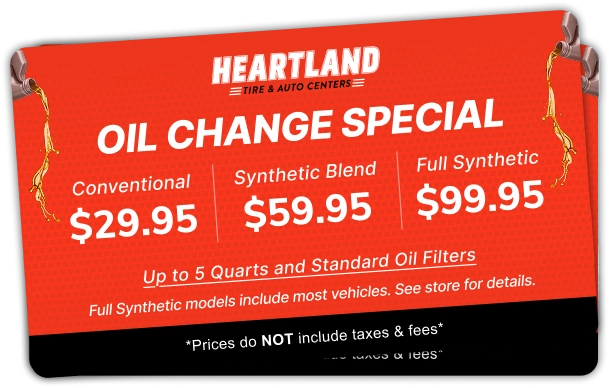
Real Savings
Heartland Values
Claim Yours and Book
An Appointment
How Minnesota Weather Affects High-Mileage Vehicles
Living in Burnsville means your vehicle experiences all four seasons, each bringing unique maintenance challenges. While newer vehicles also feel the effects of changing weather, aging components become more vulnerable after years of exposure.
Understanding these seasonal stresses allows you to prepare before problems develop.
Winter Challenges
Minnesota winters can be especially demanding for older vehicles.
Common winter concerns include:
- Battery performance declines – Cold temperatures reduce battery capacity, making weak batteries more likely to fail during freezing mornings.
- Thicker engine oil during cold starts – Although modern oils flow much better than older formulations, engines still experience their greatest wear during startup.
- Road salt accelerates corrosion – Salt helps improve road safety but also speeds up rust formation on brake lines, suspension components, frames, and exhaust systems.
- Tire pressure drops – Tire pressure decreases as temperatures fall, affecting traction, handling, and fuel economy.
- Frozen rubber components – Belts, hoses, seals, and weather stripping become less flexible in extreme cold, increasing the chance of cracks and leaks.
Preparing your vehicle before winter arrives reduces the likelihood of unexpected breakdowns during the coldest months.
Summer Driving
Hot weather presents a different set of challenges.
Pay close attention to:
- Cooling system efficiency
- Air conditioning performance
- Engine operating temperature
- Tire pressure during long trips
- Fluid levels before vacations
High temperatures place additional strain on older cooling systems. Regular inspections become an important part of preventive maintenance for high mileage cars, especially before extended highway travel.
Seasonal inspections also help identify wear caused by the previous season. For example, pothole damage from winter may not become noticeable until spring, while summer heat can reveal weak cooling system components before they fail completely. Staying ahead of seasonal maintenance keeps your vehicle dependable throughout the year.
What Maintenance Services Help High-Mileage Engines Last Longer?
When a vehicle reaches 100,000 miles or more, every maintenance visit becomes an opportunity to extend its lifespan. The goal isn’t to replace every aging part. Instead, it’s to identify normal wear before it affects reliability or causes damage to other components.
If you’re following these Burnsville MN high mileage car tips, focus on preventive care that protects the engine, transmission, and other major systems. A trusted technician can recommend services based on your vehicle’s mileage, condition, and driving habits rather than replacing parts unnecessarily.
Prioritize These Maintenance Services
The following services provide some of the greatest value for high-mileage vehicles.
- Engine oil and filter changes – Oil is your engine’s first line of defense against friction and heat. Following the correct service interval with the manufacturer-recommended oil helps reduce internal wear and keeps the engine properly lubricated.
- Transmission service – Transmission repairs are among the most expensive vehicle repairs. Fresh transmission fluid helps reduce heat, improves shifting performance, and protects internal components from premature wear. Always follow the manufacturer’s service recommendations because some transmissions have specific fluid requirements.
- Cooling system inspection and coolant replacement – Coolant does much more than prevent freezing. It controls engine temperature, protects against corrosion, and lubricates components like the water pump. Replacing old coolant at the recommended interval helps maintain cooling efficiency.
- Spark plug replacement – Worn spark plugs can reduce fuel economy, cause engine misfires, and make acceleration feel sluggish. Replacing them on schedule improves combustion and helps your engine run more efficiently.
- Fuel system cleaning – Over time, fuel injectors and intake components may develop deposits that affect engine performance. Professional cleaning can restore fuel delivery and improve throttle response on many high-mileage vehicles.
Each of these services supports high mileage car maintenance in Burnsville MN by reducing wear and helping expensive components last longer.
Routine maintenance also allows technicians to monitor developing issues over time. Comparing inspection results from previous visits often reveals gradual changes that would otherwise go unnoticed.
Burnsville MN High Mileage Car Tips From Heartland Tire & Auto Centers
Following these Burnsville MN High Mileage Car Tips can help extend your engine’s life and reduce costly repairs. Regular maintenance is especially important for handling Burnsville’s changing weather and keeping your vehicle dependable.
At Heartland Tire & Auto Centers, our experienced technicians provide trusted care for high-mileage vehicles. Schedule your appointment today and keep your vehicle performing its best.