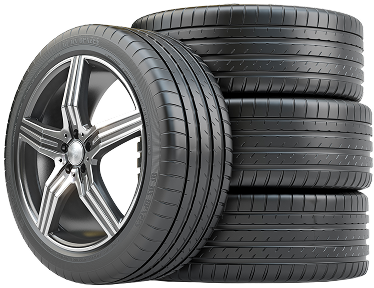




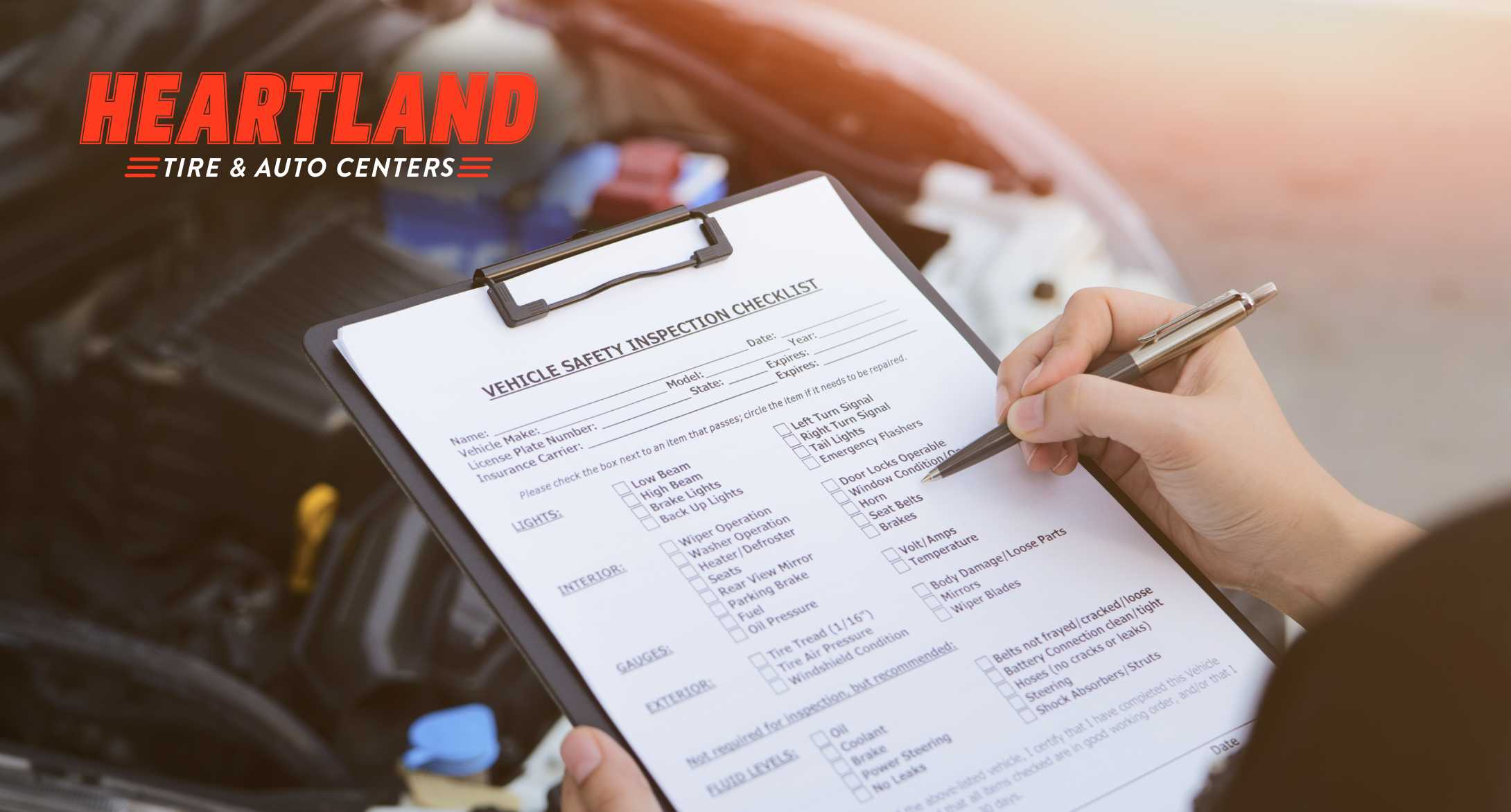
If you drive regularly around Brainerd, your tires deal with everything from changing temperatures and wet roads to potholes, gravel, and long highway trips. A simple Brainerd MN tire safety checklist can help you catch small problems before they become expensive repairs or dangerous roadside emergencies.
Your tires are the only parts of your vehicle that maintain direct contact with the road, so their condition affects braking, steering, traction, and overall control. The good news is that many important tire checks take only a few minutes.
This guide covers the checks local car owners, SUV drivers, and first-time vehicle owners should perform throughout the year, plus the warning signs that mean it is time to have a professional take a closer look.
TL;DR – Brainerd MN Tire Safety Checklist at a Glance
- Check tire pressure monthly and before long trips, using the PSI listed on your driver’s doorjamb or owner’s manual.
- Inspect tread depth and look for uneven wear, cracks, cuts, bulges, or objects stuck in the tire.
- Rotate your tires according to the vehicle manufacturer’s recommendations to promote more even wear.
- Pay extra attention to tire condition as Minnesota temperatures and driving conditions change.
- Have a professional inspect any tire with serious damage, persistent air loss, vibration, or unusual wear.
Why Tire Safety Matters for Brainerd Drivers
A tire can look acceptable at a glance and still have a problem. Underinflation, internal damage, uneven wear, and aging rubber may not be obvious until the vehicle begins handling differently.
That is why tire safety tips in Brainerd MN should focus on more than simply checking whether a tire looks flat. A proper inspection considers pressure, tread, sidewall condition, wear patterns, age, and the way the vehicle feels on the road.
AAA recommends checking tread and pressure monthly, while tire rotation is typically recommended every 5,000 to 8,000 miles, depending on the vehicle and the tire manufacturer’s guidance.
For a busy Brainerd driver, connecting these checks to something you already do, such as filling the gas tank or checking your oil, makes them easier to remember.
Real Savings
Heartland Values
Claim Yours and Book
An Appointment

Brainerd MN Tire Safety Checklist: 10 Essential Tire Checks
Your tires can give you plenty of warning before a small issue becomes a major safety concern. The key is knowing what to look for and making these checks part of your regular vehicle care routine.
For drivers in Brainerd, tire inspections are especially important because changing temperatures, winter conditions, potholes, and long road trips can all affect tire condition. The following Brainerd MN Tire Safety Checklist covers the most important things to check, from tire pressure and tread depth to sidewall damage, seasonal preparation, and knowing when replacement is necessary.
1. Check Tire Pressure the Right Way
Correct inflation is one of the simplest ways to improve tire safety.
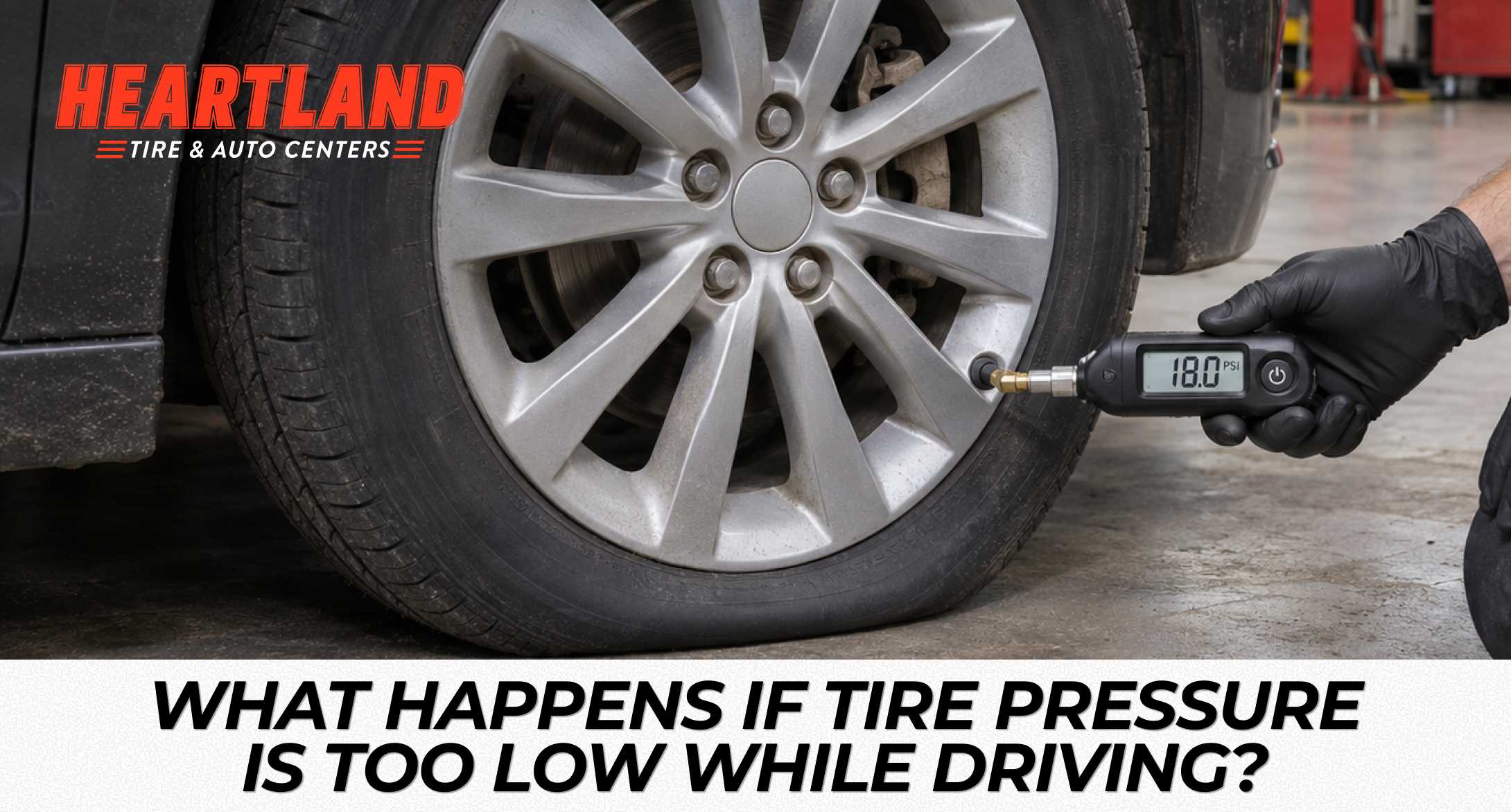
For reliable tire pressure checks in Brainerd MN, check the tires when they are cold. The recommended PSI is normally found on the driver’s doorjamb sticker or in the owner’s manual. Do not use the maximum PSI printed on the tire sidewall as your vehicle’s recommended inflation pressure.
A simple process looks like this:
- Park the vehicle and allow the tires to cool.
- Remove the valve cap.
- Press a reliable pressure gauge firmly onto the valve stem.
- Compare the reading with the vehicle manufacturer’s recommended PSI.
- Add or release air as needed.
- Replace the valve cap.
- Repeat the process for every tire, including the spare when applicable.
Do not assume the TPMS warning light is a substitute for regular checks. TPMS is designed to alert you when pressure has dropped significantly, rather than serve as a routine maintenance reminder.
2. Inspect Tread Depth Before It Becomes a Problem
Tread gives your tires the ability to maintain traction and move water away from the contact patch. As tread wears down, wet-weather performance can suffer.
For practical tire safety tips in Brainerd MN, use a tread-depth gauge if you have one. It provides a more precise measurement than a coin test.
A tread depth of 2/32 inch is generally considered the minimum legal tread depth for replacement in the U.S., but waiting until the legal minimum is reached may leave you with less safety margin, particularly in wet or slippery conditions. Consumer Reports recommends considering replacement earlier as tread approaches 4/32 inch, especially when wet-weather traction matters.
Also check for:
- Uneven tread wear
- Bald spots
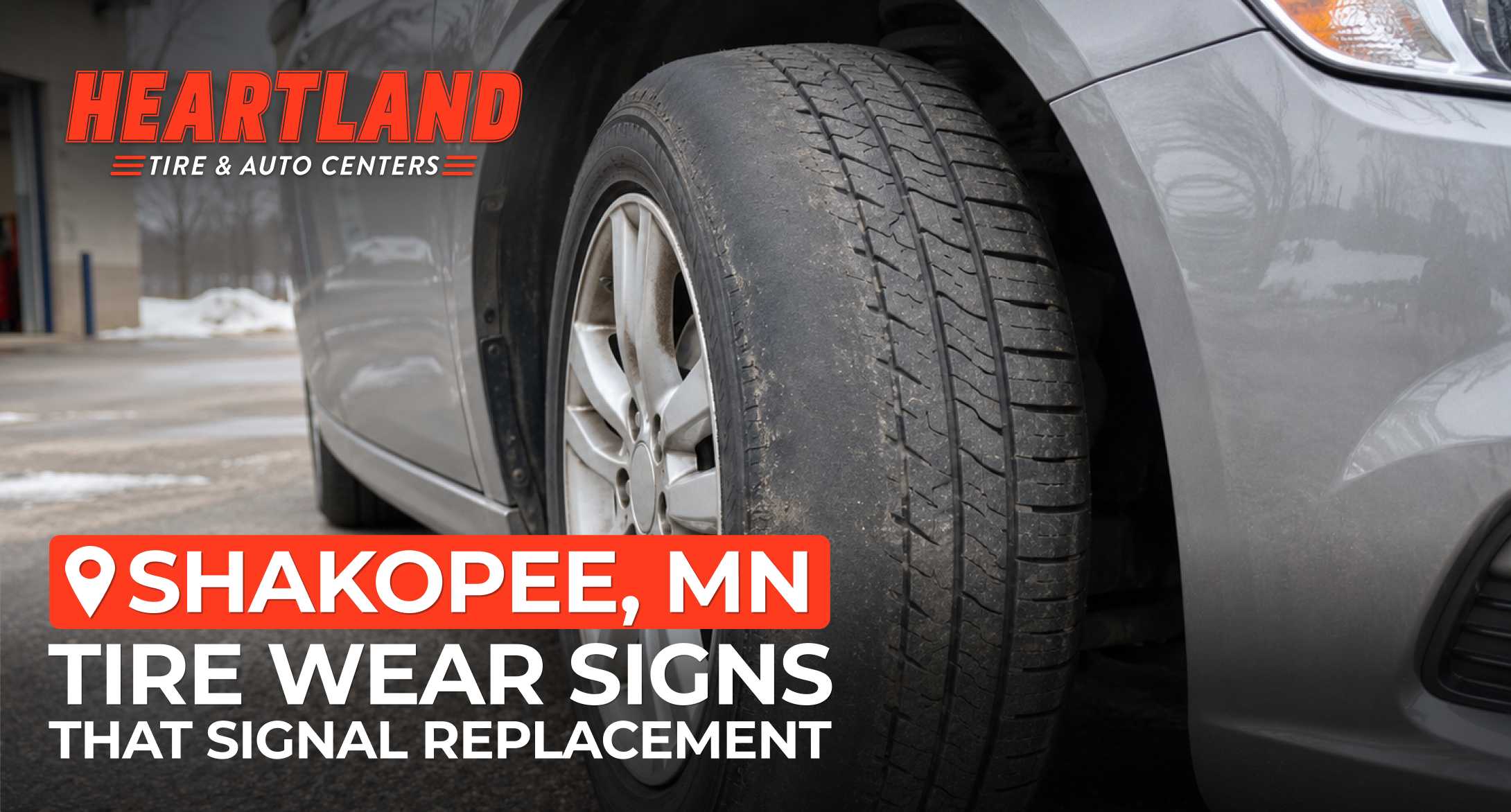
- Cupping or scalloping
- Excessive shoulder wear
- Cracks between tread blocks
- Exposed cords
If one part of the tire looks significantly different from the others, the tread depth alone may not tell the whole story.
3. Look Closely at the Sidewalls
The sidewall deserves just as much attention as the tread. As part of your routine tire maintenance for Brainerd drivers, walk around the vehicle and look for cuts, cracks, bulges, bubbles, or other visible damage.
A bulge can indicate internal tire damage. This can happen after hitting a pothole or curb, even if the tire did not immediately lose air.
Do not ignore a new vibration or pulling sensation, either. These symptoms can be related to tire damage, wheel imbalance, alignment problems, suspension issues, or other vehicle concerns.
If you see a significant bulge, exposed cords, or severe sidewall damage, have the tire professionally inspected before continuing to drive on it.
4. Check for Uneven Tire Wear
Your tires should wear relatively evenly across the tread. When they do not, the pattern can provide clues about a problem.
For example:
- Wear on both outer edges: May indicate chronic underinflation.
- Wear concentrated in the center: May be associated with overinflation.
- One-sided wear: Can point toward alignment or suspension concerns.
- Cupped or scalloped wear: May be associated with balance, suspension, or tire-related problems.
These patterns are useful clues, but they do not automatically identify the exact cause. A professional inspection can determine whether the issue involves inflation, alignment, balance, suspension components, or the tire itself.
5. Rotate Your Tires on Schedule
Front and rear tires can experience different types of wear depending on the vehicle.
Front tires on many vehicles handle steering forces and, on front-wheel-drive vehicles, may also handle much of the acceleration work. That can lead to different wear rates between axles.
Following the vehicle manufacturer’s rotation recommendation can help distribute wear more evenly. AAA notes that rotation is often recommended every 5,000 to 8,000 miles, although your vehicle’s specific maintenance schedule should guide you.
Regular rotation is especially useful for drivers who want consistent service from a full set of tires rather than letting one pair wear significantly faster.
6. Do Not Forget the Spare Tire
A spare tire can sit for months or even years without being used. That does not mean it can be ignored.
Add the spare to your tire pressure checks in Brainerd MN routine if your vehicle is equipped with one. Check its pressure and inspect its condition according to the manufacturer’s recommendations.
This is one of those checks that feels unnecessary until you have a flat tire miles from home.
Also confirm that you have the necessary equipment to change a tire, such as the jack, lug wrench, and locking-lug key if your vehicle uses one.
7. Prepare Tires for Minnesota’s Changing Seasons
Minnesota driving conditions can change dramatically throughout the year. Tire maintenance needs to change with them.
Your winter tire care in Brainerd MN routine should begin before severe winter weather arrives. Check tread depth, tire condition, and pressure before the first major snow or extended period of freezing temperatures.
Cold temperatures can affect tire pressure, making regular checks especially important as the seasons change.
Before winter, also consider:
- Whether your current tread is appropriate for expected conditions
- Whether the tires have significant cracking or aging
- Whether wear is even across all four tires
- Whether your vehicle’s alignment and suspension need inspection
- Whether your driving needs call for winter-rated tires
For drivers using all-season tires, remember that “all-season” does not mean every tire performs equally well in severe winter conditions. Your vehicle, driving habits, tire condition, and local road conditions all matter.
8. Watch for Tire Problems After Pothole Impacts
A pothole can do more than damage a wheel.
An impact can cause a tire sidewall bulge, internal damage, wheel damage, alignment problems, or a gradual air leak. Some damage may be difficult to see immediately.
If your vehicle hits a severe pothole, pay attention afterward. Warning signs include:
- New steering-wheel vibration
- Vehicle pulling to one side
- Repeated loss of tire pressure
- A new thumping sound
- Visible bulges or cuts
- Uneven tire wear
If something feels different after an impact, it is worth having the vehicle inspected rather than assuming the problem will resolve on its own.
9. Know When a Tire Should Be Replaced
There is no single mileage number that determines when every tire needs to be replaced. Tread depth, damage, wear pattern, age, driving conditions, and tire construction all matter.
As part of your tire safety tips in Brainerd MN, replace a tire when it reaches the manufacturer’s replacement criteria or develops serious damage.
Common reasons for replacement include:
- Tread at or below the applicable minimum
- Severe cracking
- Bulges or bubbles
- Exposed cords
- Serious puncture or shoulder damage
- Persistent air loss
- Severe uneven wear
- Tire age that exceeds manufacturer guidance
Tire manufacturers also recommend paying attention to age because rubber changes over time. Continental notes that tire replacement decisions should consider tread depth, physical condition, and age rather than tread alone.
If you are unsure about a tire’s condition, having an experienced technician inspect it can provide a much better answer than guessing from appearance alone.
10. Know What to Do If a Tire Suddenly Fails
Even careful maintenance cannot eliminate every possibility of a flat or blowout.
If you experience a sudden tire failure, stay calm and avoid abrupt steering or hard braking. Keep both hands on the steering wheel, gradually ease off the accelerator, maintain control of the vehicle, and move toward a safe location when you can do so safely.
Once stopped, turn on your hazard lights and, when possible, stay in a safe location away from traffic.
The best time to think about what you would do during a tire emergency is before one happens.
Use this Brainerd MN tire safety checklist as a simple reminder to check your tires regularly, especially when seasons change or your vehicle has experienced a pothole or other significant impact. If you notice persistent air loss, unusual wear, vibration, or visible damage, have your tires inspected by a qualified professional before the problem gets worse.
Keep Your Tires Ready for the Road
Good tire care is less about complicated maintenance and more about consistency. A few minutes each month can help you spot low pressure, worn tread, uneven wear, and visible damage before those issues become bigger problems.
For Brainerd car owners, SUV drivers, and first-time vehicle owners, the Brainerd MN Tire Safety Checklist provides a practical starting point. Check your pressure, inspect your tread, look at the sidewalls, follow your rotation schedule, and take unusual symptoms seriously.
If you would rather have a professional handle the inspection, Heartland Tire & Auto Centers can help assess your tires and identify the service they need. Request an Appointment with Heartland Tire & Auto Centers
Staying proactive is easier, safer, and usually less stressful than dealing with a tire emergency after it happens.