

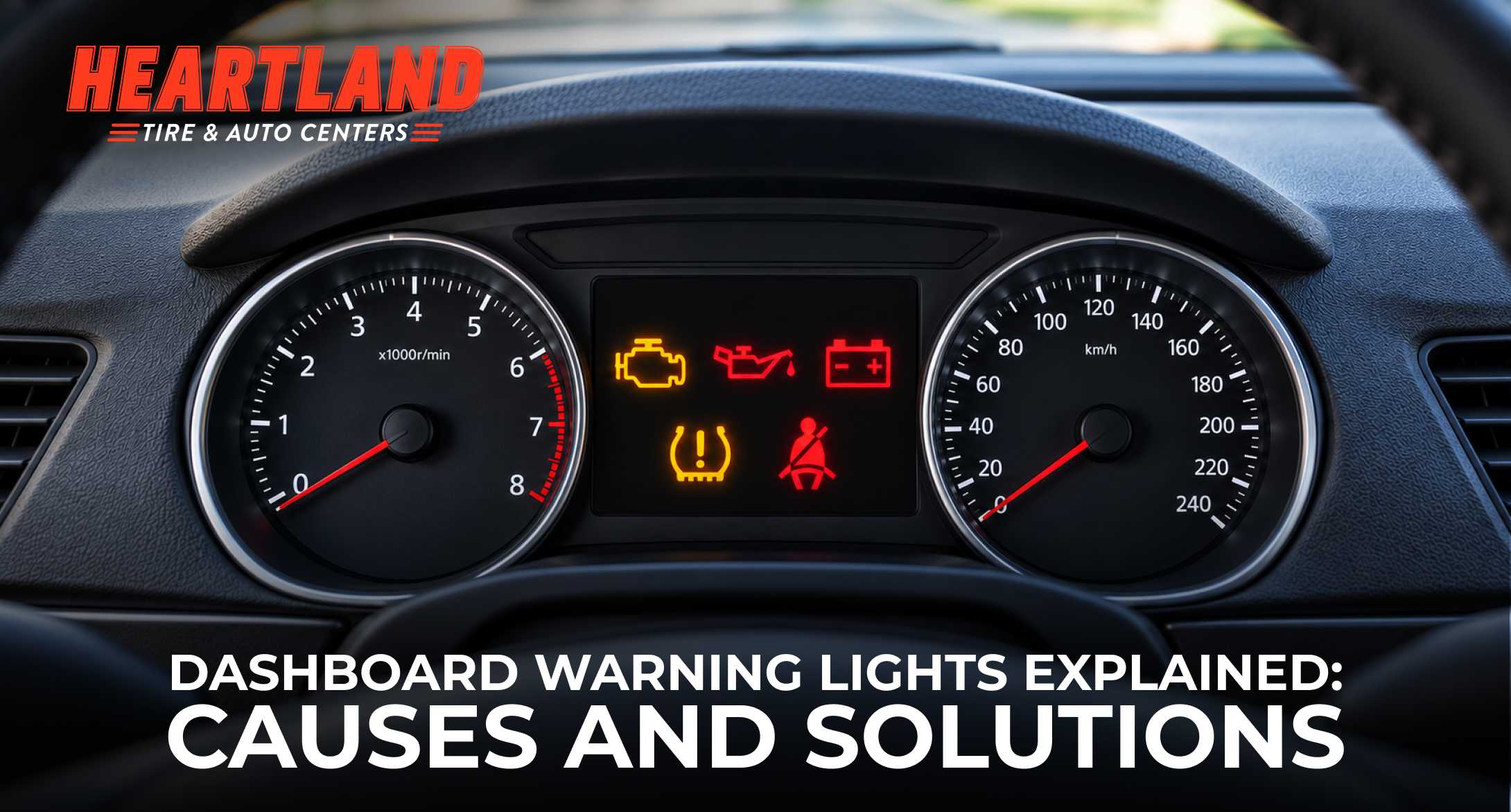
Seeing a warning light appear on your dashboard can quickly turn a normal drive into a stressful experience. Whether you are commuting through Brainerd, driving your SUV around Brooklyn Park, or heading across town in West Bloomington, those symbols are your vehicle’s way of communicating that something needs attention.
Dashboard warning lights explained means understanding what each symbol represents, how serious the issue may be, and what steps you should take next. Modern vehicles use sensors and onboard computers to monitor key systems, including the engine, brakes, battery, tires, and safety features. When a system detects a problem, it sends an alert through your dashboard.
Ignoring a warning light can sometimes turn a small repair into a major expense. A tire pressure warning may point to a simple air adjustment, while an oil pressure or brake warning could signal a problem requiring immediate attention.
TL;DR – Dashboard Warning Lights Explained for Drivers
- This dashboard warning lights guide helps drivers understand vehicle alerts and determine whether a light needs immediate attention or a scheduled inspection.
- The color of a warning light indicates urgency: red lights usually require immediate action, amber lights require service soon, and green or blue lights provide information.
- Common dashboard warning light symbols include check engine, battery, oil pressure, brake, tire pressure, and ABS alerts.
- Car warning lights and their meanings can vary by vehicle model, so checking your owner’s manual and consulting a technician provides the most accurate information.
- Professional diagnostics help identify the cause behind warning lights and prevent small issues from becoming costly repairs.
What Do Dashboard Warning Lights Mean?
Your vehicle’s dashboard works like a communication system. Each light represents information collected by sensors throughout your car. These sensors monitor everything from engine performance to tire pressure and safety equipment.
The meaning of dashboard warning lights depends on several factors, including the color of the light, the symbol displayed, whether it stays on continuously, and whether your vehicle is showing other symptoms.
A warning light that appears briefly when starting your vehicle is usually part of a normal system check. However, a light that stays illuminated while driving deserves attention.
Understanding Dashboard Warning Light Colors
The color of a warning light often provides the first clue about the severity of the problem.
- Red warning lights – Red usually indicates a serious issue that may affect safety or cause vehicle damage. Drivers should safely stop when possible and seek assistance, especially for brake, oil pressure, or overheating warnings.
- Amber or yellow warning lights – These alerts usually indicate a system needs inspection soon. You may be able to continue driving, but scheduling service is recommended.
- Green or blue warning lights – These typically indicate a feature is active, such as headlights, cruise control, or turn signals.
- Flashing warning lights – A flashing light often indicates a more urgent situation. For example, a flashing check engine light may signal a condition that can damage the engine.
Knowing the difference between colors helps drivers respond appropriately instead of ignoring important alerts.
Common Dashboard Warning Light Symbols and What They Mean
Every vehicle has its own collection of warning symbols, but many alerts appear across different makes and models. Learning the most common symbols can help you recognize problems earlier.
The following are some of the most important common dashboard warning light symbols every driver should understand.
Check Engine Light
The check engine light is one of the most recognized dashboard alerts. It can appear because of many different issues, ranging from a loose gas cap to problems with engine sensors, emissions components, or other systems.
A steady check engine light usually means you should schedule an inspection soon. A flashing check engine light requires faster attention because it may indicate a serious engine problem.
Oil Pressure Warning Light
The oil pressure symbol usually looks like an oil can. This warning means your engine may not be receiving proper lubrication.
Low oil pressure can cause severe engine damage if ignored. If this light appears while driving, safely pull over and turn off the engine until the problem can be inspected.
Battery Warning Light
The battery symbol often indicates an issue with your vehicle’s charging system rather than the battery itself.
Possible causes include:
- Failing alternator – A damaged alternator may prevent the battery from receiving enough charge.
- Loose battery connections – Corroded or loose terminals can interrupt electrical flow.
- Worn drive belt – A damaged belt can affect charging system operation.
- Aging battery – Older batteries may struggle to maintain proper voltage.
Drivers in Minnesota experience temperature extremes that can place additional stress on vehicle batteries, especially during cold winters.
Brake Warning Light
Brake warning lights should always be attended to because they directly relate to vehicle safety.
Possible causes include:
- Low brake fluid – A drop in fluid levels may indicate worn brake components or a leak.
- Parking brake engagement – Some vehicles display the brake warning light when the parking brake is active.
- Brake system problems – Issues with brake components may affect stopping performance.
If you notice changes in braking, such as a soft pedal or longer stopping distance, schedule an inspection immediately.
Tire Pressure Warning Light
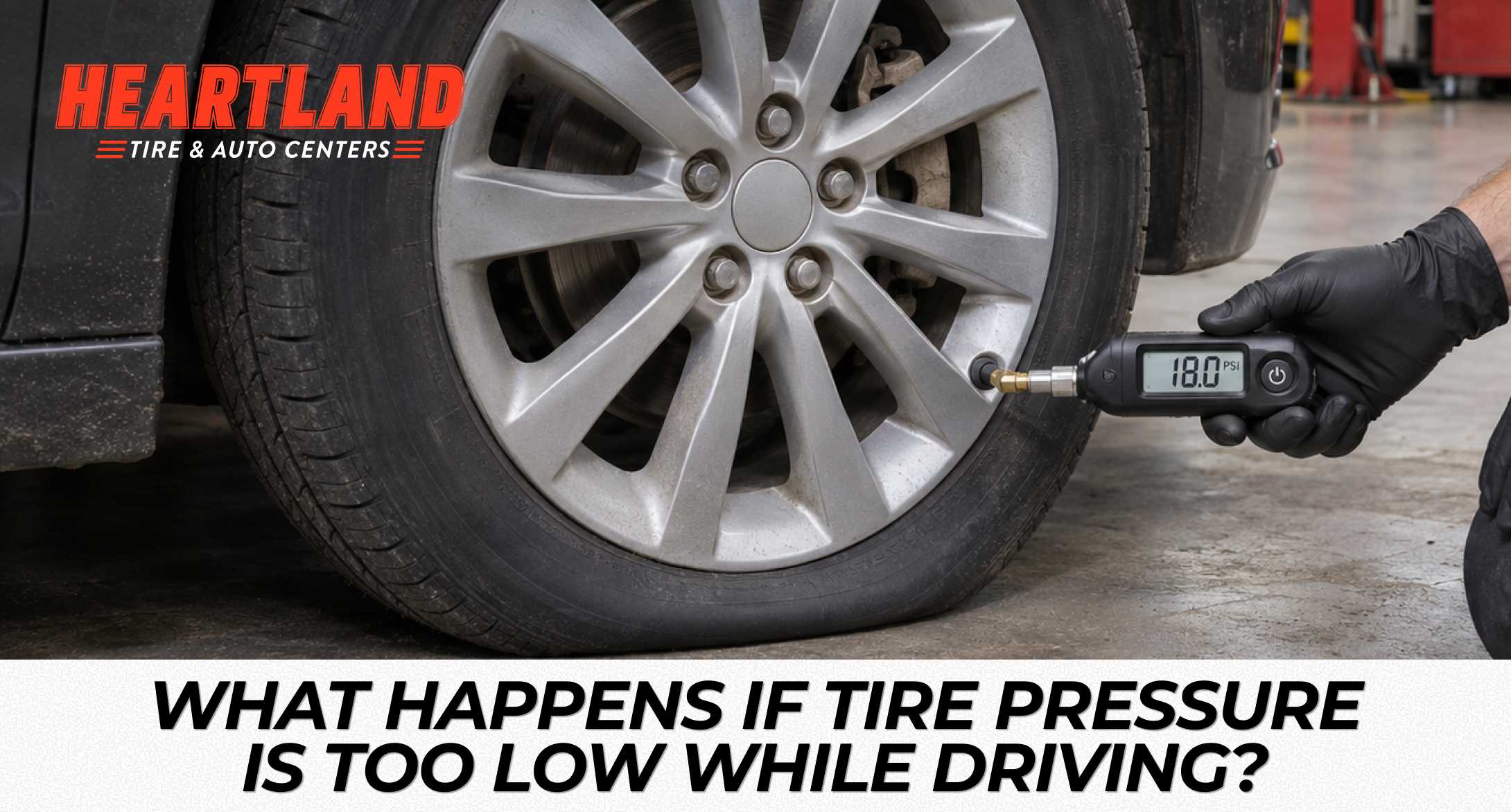
The tire pressure monitoring system alerts drivers when tire pressure drops below recommended levels.
Low tire pressure can affect:
- Fuel economy
- Tire lifespan
- Vehicle handling
- Driving safety
Checking tire pressure regularly is especially important during seasonal temperature changes, as cold weather can reduce it.
Car Warning Lights and Their Meanings Drivers Should Know
Understanding car warning lights and their meanings helps drivers make better decisions when a light appears on the dashboard. Many people recognize the symbols but are unsure about the urgency behind them.
Here are additional warning lights that commonly appear:
- ABS warning light – This indicates a problem with the anti-lock braking system. Your regular brakes may still work, but the ABS feature may not operate correctly during emergency stops.
- Airbag warning light – This may indicate a problem with the airbag or restraint system. A malfunction could prevent airbags from working properly during a collision.
- Temperature warning light – This usually indicates engine overheating. Continuing to drive can cause serious engine damage.
- Traction control light – This may indicate the traction system is active or experiencing a fault.
When drivers understand what these alerts mean, they can respond quickly and avoid unnecessary stress.
Why Dashboard Lights Come On
Many drivers wonder why when dashboard lights come on, they sometimes disappear after restarting the vehicle. While temporary alerts can happen, recurring warning lights should never be ignored.
Common causes include:
- Sensor problems – Modern vehicles depend on many sensors that monitor performance and safety systems.
- Low fluid levels – Engine oil, coolant, and brake fluid levels can trigger warnings.
- Electrical issues – Battery, alternator, or wiring problems may create dashboard alerts.
- Routine maintenance needs – Some vehicles display reminders for oil changes or service intervals.
- Mechanical problems – More serious issues involving engines, brakes, or transmissions can activate warning lights.
A diagnostic inspection helps identify the actual cause rather than guessing based solely on the symbol.
Real Savings
Heartland Values
Claim Yours and Book
An Appointment
What Should You Do When a Dashboard Warning Light Appears?
Seeing a warning light does not always mean your vehicle will immediately break down. However, taking the right steps can protect your safety and your vehicle.
Follow these steps:
-
Check the warning light color
Determine whether the light is red, amber, green, or flashing. This helps identify urgency.
-
Pay attention to vehicle symptoms
Notice unusual noises, reduced power, strange smells, overheating, or changes in handling.
-
Review your owner’s manual
Your vehicle manual provides specific information about the symbols used in your model.
-
Schedule a professional inspection
A technician can use diagnostic equipment to identify stored trouble codes and recommend repairs.
-
Avoid ignoring recurring warnings
Even if your vehicle feels normal, a warning light may indicate a developing problem.
Taking action early often helps drivers save money by addressing problems before they become larger repairs.
When Dashboard Lights Come On During Minnesota Driving
Minnesota drivers face unique conditions that can affect vehicle performance. Cold temperatures, road salt, potholes, and seasonal driving changes can all contribute to vehicle issues.
Drivers in areas like Eagan, Savage, Shakopee, and Spring Lake Park should pay close attention to dashboard alerts because small problems can become more noticeable during harsh weather.
For example:
- A weak battery may fail during freezing temperatures.
- Low tire pressure may become more common during winter temperature drops.
- Brake components may experience additional wear from road conditions.
- Warning lights related to tires and traction systems may appear more frequently during seasonal changes.
Regular inspections help drivers stay prepared throughout the year.
How Heartland Tire & Auto Centers Helps Diagnose Dashboard Warning Lights
When a dashboard alert appears, accurate diagnosis is the first step toward the right repair. Guessing at the problem can lead to unnecessary replacements or missed issues.
At Heartland Tire & Auto Centers, technicians help drivers identify the causes of warning lights through professional inspections and diagnostic services.
Drivers can expect:
- Experienced vehicle inspections – Technicians evaluate the warning light along with the vehicle’s overall condition.
- Diagnostic testing – Computer scans help identify stored trouble codes connected to specific systems.
- Honest recommendations – Service recommendations are based on your vehicle’s needs.
- Preventive maintenance guidance – Technicians help identify ways to avoid future problems.
- Local convenience – Multiple locations make professional automotive care accessible throughout Minnesota.
Whether you are near Brainerd, Monticello, Ramsey, or West Bloomington, professional support can help you understand what your vehicle needs.
Dashboard Warning Lights Explained by Heartland Tire & Auto Centers
Dashboard warning lights provide important information about your vehicle’s condition. Understanding what these symbols mean helps you respond faster, protect your investment, and stay safer on Minnesota roads.
From check engine alerts to tire pressure warnings, every light has a purpose. Paying attention early can help prevent unexpected breakdowns and expensive repairs.
Heartland Tire & Auto Centers provides trusted automotive inspections and repair services for drivers throughout Minnesota. If a warning light appears on your dashboard, schedule an appointment and let experienced technicians help identify the cause.
Do not ignore a dashboard warning light that stays on or appears repeatedly. Visit Heartland Tire & Auto Centers for professional diagnostics and reliable vehicle care.