



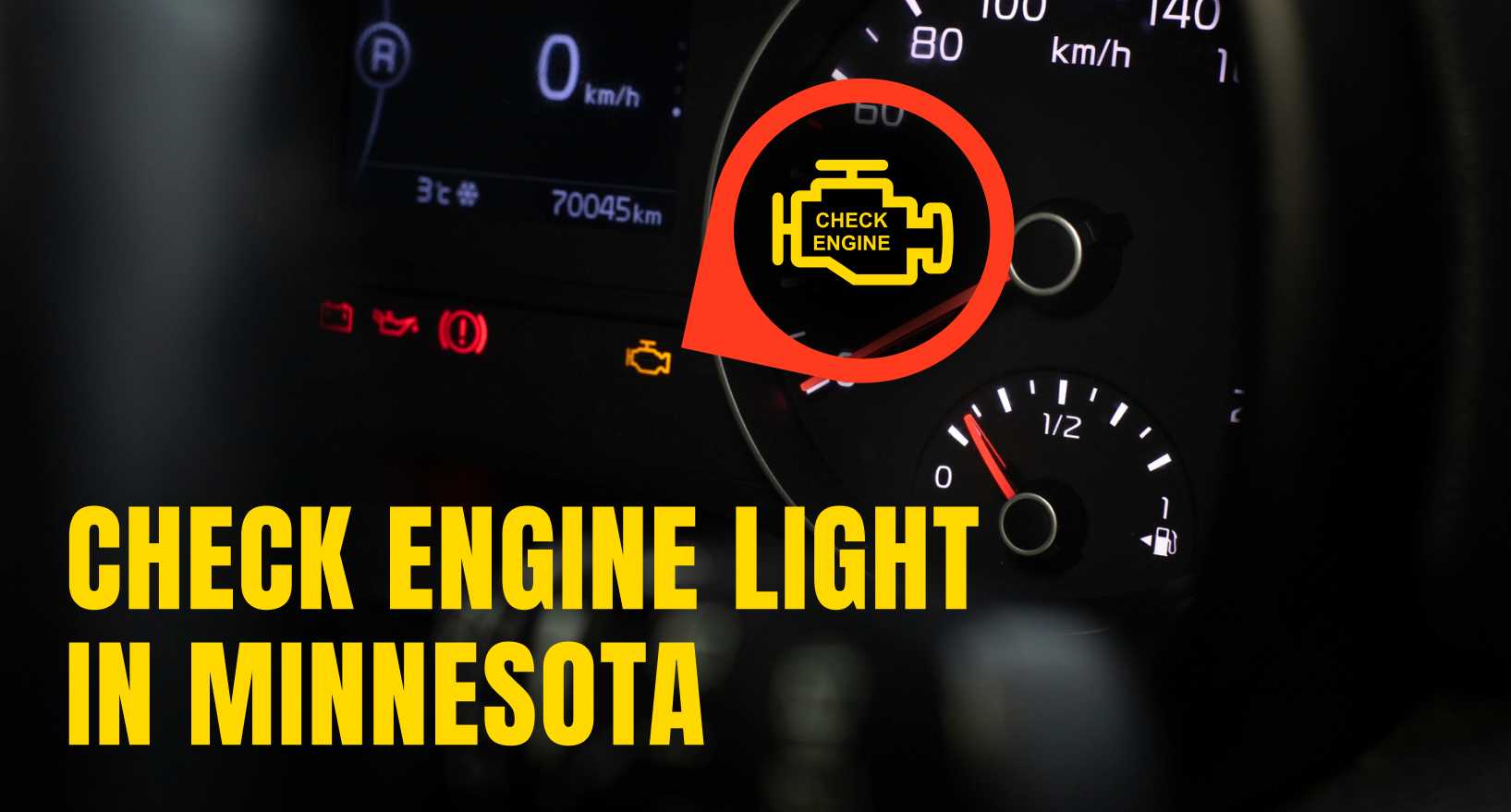
The check engine light is part of your vehicle’s onboard diagnostic system, often called OBD-II. Since 1996, nearly all vehicles sold in the United States have included this monitoring system.
Your car’s computer constantly tracks engine performance, fuel delivery, emissions systems, sensors, ignition timing, and transmission behavior. When something falls outside the normal operating range, the computer stores a diagnostic trouble code and turns on the warning light.
For many drivers dealing with a check engine light during Minnesota winter, weather plays a bigger role than expected. Extreme cold can affect sensors, batteries, fuel systems, and ignition components. A check engine light in Minnesota is often linked to weak batteries, frozen moisture buildup, or cold-weather sensor failures.
TL;DR – Check Engine Light in Minnesota Guide
- A check engine light can signal anything from a loose gas cap to a serious engine issue, especially during Minnesota winters.
- A flashing check engine light means you should pull over safely and have the vehicle checked immediately.
- Common causes include faulty sensors, worn spark plugs, EVAP leaks, and battery-related problems.
- Professional diagnostics help identify the exact issue quickly and prevent unnecessary repairs.
- Heartland Tire & Auto Centers provides trusted check-engine-light diagnostics and repairs for Minnesota drivers.
What Does the Check Engine Light Mean in Minnesota
The check engine light is part of your vehicle’s onboard diagnostic system, often called OBD-II. Since 1996, nearly all vehicles sold in the United States have included this monitoring system.
Your car’s computer constantly tracks engine performance, fuel delivery, emissions systems, sensors, ignition timing, and transmission behavior. When something falls outside the normal operating range, the computer stores a diagnostic trouble code and turns on the warning light.
For many drivers dealing with a check engine light during the Minnesota winter, weather plays a bigger role than expected. Extreme cold can affect sensors, batteries, fuel systems, and ignition components.
Solid vs Flashing Check Engine Light
Understanding the difference between these two warnings is critical.
Solid check engine light
Usually indicates a non-emergency issue that still needs professional diagnosis soon. Your vehicle may still drive normally, but delaying service can worsen the problem.
Flashing check engine light
Signals a severe engine misfire or major fault. Continuing to drive can damage the catalytic converter or engine components very quickly.
Intermittent warning light
If the light comes and goes, the issue may involve temperature-sensitive sensors, loose electrical connections, or fuel system irregularities.
Multiple dashboard lights together
A check engine light combined with battery or traction control warnings often points to charging system or electrical problems.
Reduced engine power
Some vehicles enter “limp mode” to protect the engine. This limits speed and acceleration until repairs are completed.
Drivers searching for what causes a check engine light in Minnesota often assume the engine itself has failed. In reality, many warning lights indicate issues with emissions systems or sensors rather than catastrophic engine damage.
If your check engine light flashes while driving in Minnesota traffic or on the highway, pull over safely and schedule professional diagnostics immediately.
Most Common Causes of a Check Engine Light in Minnesota
Minnesota weather creates unique challenges for vehicles. Freezing temperatures, road salt, rapid temperature swings, and moisture all place extra stress on sensors and engine systems.
Drivers looking for engine diagnostics near you in Minnesota are often dealing with one of these common issues.
Loose or Faulty Gas Cap
This is one of the most common reasons for a warning light.
Your fuel system is sealed to prevent harmful fuel vapors from escaping. If the gas cap is loose, cracked, or damaged, the EVAP system detects a leak and triggers the warning.
- Loose cap after refueling – Happens frequently during winter fuel stops.
- Worn rubber seals – Cold temperatures can harden and crack seals.
- Fuel vapor leaks – Even small leaks can trigger emissions codes.
- Repeated short trips – Minnesota winter driving often prevents full EVAP testing cycles.
- Simple but important fix – Replacing a damaged gas cap early prevents ongoing warning lights.
Many drivers with a check engine light after cold weather in Minnesota discover the issue started with the fuel system seal.
Even though this repair is usually inexpensive, continuing to ignore the warning light can hide more serious issues later.
Faulty Oxygen Sensors
Oxygen sensors measure the amount of oxygen remaining in the exhaust stream so the engine computer can adjust fuel delivery properly.
- Reduced fuel economy – Faulty sensors often cause poor gas mileage.
- Rough engine performance – Hesitation or sluggish acceleration may appear.
- Cold-weather stress – Minnesota winters increase sensor wear due to rapid temperature changes.
- Increased emissions – Failed sensors affect catalytic converter efficiency.
- Check engine codes – O2 sensor faults are among the most common diagnostic findings nationwide.
A neglected oxygen sensor can eventually damage the catalytic converter, which is significantly more expensive to replace.
Worn Spark Plugs or Ignition Coils
Ignition system issues become especially noticeable during freezing Minnesota mornings.
- Hard starting in winter – Weak ignition components struggle in cold temperatures.
- Engine misfires – You may feel shaking or a rough idle.
- Flashing warning lights – Severe misfires often trigger flashing check-engine lights.
- Reduced engine power – Acceleration may feel sluggish or uneven.
- Higher fuel consumption – Misfires waste fuel and reduce efficiency.
Drivers searching for car repair for check engine light in Minnesota frequently discover worn spark plugs after harsh winter driving seasons.
Routine maintenance plays a major role in preventing ignition-related warning lights.
Battery and Charging System Problems
Minnesota winters are brutal on batteries.
AAA reports that battery-related breakdowns increase significantly during periods of extreme cold because low temperatures reduce battery capacity. Cold weather can also strain alternators and charging systems.
- Weak battery voltage – Can confuse onboard electronics and sensors.
- Alternator issues – Low charging output may trigger multiple dashboard lights.
- Corroded battery terminals – Road salt accelerates corrosion.
- Electrical communication errors – Modern vehicles rely heavily on a stable voltage.
- Cold-weather failures – Subzero temperatures expose weak components quickly.
For drivers experiencing a check engine light during Minnesota winter, battery testing should always be part of the diagnostic process.
Catalytic Converter Problems
Catalytic converters reduce harmful exhaust emissions. Ignoring earlier warning signs often leads to converter damage later.
- Strong sulfur smell – May resemble rotten eggs.
- Loss of acceleration – Exhaust flow becomes restricted.
- Poor fuel economy – Engine efficiency decreases.
- Engine overheating risk – Excessive backpressure creates stress.
- Expensive repairs – Converter replacement costs are much higher than early sensor repairs.
Many catalytic converter failures start with unresolved misfires or oxygen sensor problems.
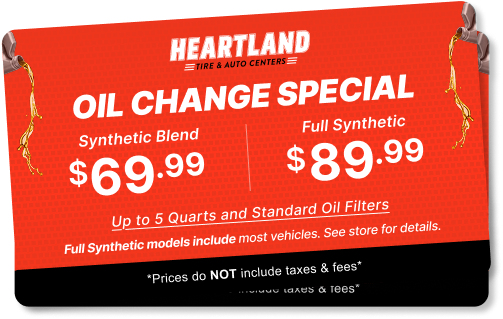
Real Savings
Heartland Values
Claim Yours and Book
An Appointment
Can You Drive With a Check Engine Light On
This depends entirely on how the vehicle behaves. Drivers searching for engine diagnostics near you in Minnesota often ask whether they can safely continue driving until their appointment.
Here is a practical guideline.
You Can Usually Drive Short Distances If
- The light is solid, not flashing.
- The vehicle drives normally.
- There are no strange noises or smells.
- Engine temperature stays normal.
- Acceleration feels consistent.
Even then, schedule diagnostics soon. Small issues can become major repairs if ignored.
Stop Driving Immediately If
- The light flashes continuously.
- The engine shakes or misfires.
- Smoke appears from the exhaust.
- You smell burning odors.
- Power drops suddenly while driving.
Highway driving in Minnesota during winter creates additional risks when a vehicle loses power unexpectedly.
How Professional Check Engine Diagnostics Work
A proper diagnosis involves more than plugging in a scanner and reading a code. At Heartland Tire & Auto Centers, technicians use advanced diagnostic equipment and real-world testing to identify the root cause rather than guessing.
What Happens During a Diagnostic Appointment
- Computer code scan – Retrieves stored trouble codes from the vehicle.
- Live data analysis – Monitors sensor performance in real time.
- Visual inspections – Technicians check wiring, hoses, leaks, and connectors.
- Battery and charging tests – Especially important during Minnesota winters.
- Road testing when needed – Some problems only appear under driving conditions.
Many online searches for what causes a check engine light in Minnesota focus only on trouble codes, but experienced technicians know the code itself is only the starting point.
Accurate diagnostics prevent unnecessary parts replacement and wasted money.
Why Minnesota Weather Triggers More Warning Lights
Minnesota drivers face conditions that are tougher on vehicles than many other regions.
Cold Weather Impacts on Vehicle Systems
- Extreme temperature swings – Sensors expand and contract repeatedly.
- Road salt exposure – Corrodes wiring and electrical connectors.
- Frozen moisture buildup – Affects EVAP and emissions systems.
- Short winter trips – Prevent engines from fully warming up.
- Pothole damage – Impacts sensors, suspension, and wiring harnesses.
For drivers dealing with a check engine light after cold weather in Minnesota, these environmental factors often contribute directly to warning lights.
What First-Time Car Owners Should Know
New drivers and first-time vehicle owners often panic when they see dashboard warnings. The good news is that a check engine light does not automatically mean catastrophic engine failure.
Smart Steps for First-Time Drivers
- Do not ignore the warning – Small issues become expensive later.
- Avoid guessing based on internet forums – Trouble codes can have multiple causes.
- Pay attention to symptoms – Note noises, smells, or rough performance.
- Schedule diagnostics early – Early repairs are usually less expensive.
- Choose a trusted local shop – Experienced technicians help explain repairs clearly.
At Heartland Tire & Auto Centers, technicians regularly help first-time car owners understand warning lights without confusing technical jargon.
That peace of mind matters when you rely on your vehicle for work, school, or family travel.
Preventing Future Check Engine Light Problems
No vehicle is completely immune to warning lights, but consistent maintenance greatly reduces the chances of serious problems.
Simple Ways to Reduce Check Engine Light Risks
- Follow factory maintenance schedules – Oil changes and tune-ups matter.
- Replace worn spark plugs on time – Ignition maintenance prevents misfires.
- Keep the battery tested yearly – Especially before Minnesota winter.
- Use quality fuel consistently – Helps protect fuel and emissions systems.
- Address small problems early – Minor repairs prevent larger failures.
Drivers who stay proactive typically spend less on long-term repairs.
Routine inspections are especially important in Minnesota because weather-related wear can occur faster than many drivers realize.
Check Engine Light in Minnesota Repair Help From Heartland Tire & Auto Centers
When you see a warning light on your dashboard, quick action can save you time, money, and stress later. Whether you drive a family SUV in Burnsville, commute daily through Brooklyn Park traffic, or navigate snowy roads near Brainerd, professional diagnostics help keep your vehicle reliable year-round.
Heartland Tire & Auto Centers serves drivers across Brainerd, Brooklyn, Burnsville, Champlin, Eagan, Monticello, Ramsey, Savage, Shakopee, Spring Lake Park, and West Bloomington with trusted diagnostic services and repairs. Their experienced technicians understand how Minnesota weather affects vehicle systems and how to pinpoint warning light issues accurately.
Ignoring a check engine light rarely makes the problem disappear. Early diagnosis helps protect your engine, improve fuel efficiency, and prevent more expensive repairs down the road.
If your dashboard warning light just came on, do not wait for the problem to worsen. Schedule a professional diagnostic appointment with Heartland Tire & Auto Centers Request Appointment today. Local Minnesota drivers trust Heartland Tire & Auto Centers for honest recommendations, experienced technicians, and dependable repairs that keep vehicles running safely through every season.