



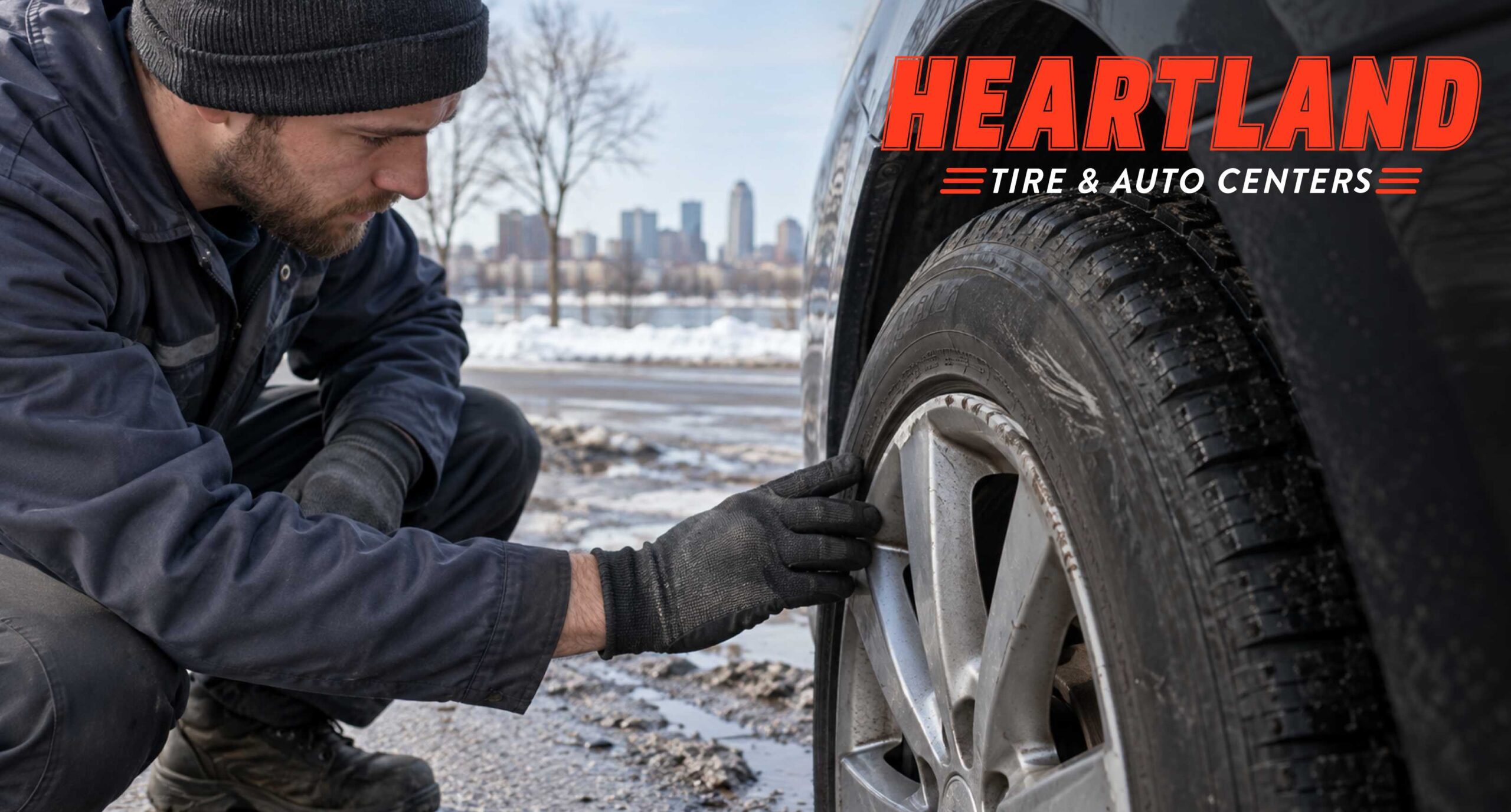
Every spring, Minnesota drivers discover the same frustrating problem. Roads that looked fine a few months ago are suddenly riddled with potholes that can damage tires, wheels, suspension components, and steering systems. A single hard impact can turn an ordinary commute into an unexpected repair bill worth hundreds or even thousands of dollars.
This Minnesota Pothole Car Damage Guide explains why potholes develop, how they affect your vehicle, the warning signs to watch for, and practical steps you can take to reduce damage. Drivers of compact cars in Minneapolis, SUVs around Brainerd, and daily commuters near Burnsville, Champlin, Eagan, Monticello, Ramsey, Savage, Shakopee, Spring Lake Park, and West Bloomington can use these tips to avoid costly repairs and keep their vehicles safe year-round.
TL;DR – Minnesota Pothole Car Damage Guide
- This Minnesota Pothole Car Damage Guide explains how potholes damage tires, wheels, suspension, steering, and alignment.
- Learning how to prevent pothole damage in Minnesota can save hundreds or even thousands of dollars in repair costs.
- Knowing what to do after hitting a pothole in Minnesota helps identify hidden problems before they become safety concerns.
- Minnesota pothole suspension damage often develops gradually, making early inspections especially valuable.
- Tire, wheel, and alignment inspections at Heartland Tire & Auto Centers help Minnesota drivers stay safe on challenging roads.
Minnesota Pothole Car Damage Guide to Avoid Costly Repairs
If it feels like potholes appear overnight every spring, you’re not imagining it. Minnesota experiences one of the country’s harshest freeze-thaw cycles, creating ideal conditions for pavement to break apart.
Water enters tiny cracks in the road surface during warmer periods. When temperatures fall below freezing, that water expands by nearly 9%, putting tremendous pressure on the surrounding asphalt. As temperatures continue to rise and fall throughout winter and early spring, the pavement repeatedly expands and contracts until sections begin to break away. Once traffic drives over weakened areas, potholes form quickly and continue growing with every passing vehicle.
This cycle explains why drivers across Minnesota often notice road conditions deteriorating rapidly after winter.
Why Minnesota Vehicles Experience More Wear
Minnesota roads present unique challenges beyond ordinary daily driving. Snow, ice, road salt, temperature swings, and heavy traffic all contribute to increased vehicle wear.
Some of the biggest factors include:
- Frequent freeze-thaw cycles – Constant pavement expansion and contraction create new potholes throughout winter and spring, increasing the likelihood of sudden impacts.
- Heavy snowfall and snowplows – Snow hides potholes from view, while plows gradually wear road surfaces, accelerating pavement deterioration.
- Road salt and moisture – Salt helps improve traction during winter but also promotes corrosion on suspension, brake, and steering components over time.
- Heavy truck traffic – Commercial vehicles place significant weight on already weakened pavement, causing potholes to deepen much faster.
- Changing spring weather – Rain fills potholes with water, making them difficult for drivers to judge accurately until it’s too late.
Together, these conditions make learning how to prevent pothole damage in Minnesota one of the smartest investments any driver can make.
The road itself may be beyond your control, but understanding how these conditions affect your vehicle helps you spot problems earlier and reduce long-term repair costs.
How Potholes Damage Your Vehicle
A pothole may seem like a simple hole in the pavement, but the forces involved during impact can be surprisingly severe.
When a tire drops into a pothole and strikes the opposite edge, the impact transfers energy throughout the wheel assembly and suspension. Depending on your speed, the pothole’s depth, and your vehicle’s weight, several systems can sustain immediate or gradual damage.
Modern vehicles are designed to absorb bumps during everyday driving. However, repeated impacts from potholes place much greater stress on components that maintain ride comfort, steering precision, and braking stability.
The Parts Most Commonly Damaged
The following components are among the most common repairs technicians perform after pothole impacts across Minnesota.
- Tires – Sharp pothole edges can pinch the tire between the pavement and wheel, leading to sidewall bulges, internal cord damage, punctures, or slow air leaks. This type of tire and wheel damage caused by Minnesota potholes may not always be immediately visible.
- Wheels – Alloy wheels may bend or crack after a significant impact. Even minor wheel damage can create vibration, uneven tire wear, and balancing issues that become more noticeable at highway speeds.
- Suspension components – Ball joints, control arms, struts, shocks, bushings, and sway bar links absorb tremendous impact forces. Minnesota pothole suspension damage often begins with small amounts of wear that gradually affect handling and ride quality.
- Steering system – Tie rods and steering components can become bent or loosened after repeated impacts, reducing steering accuracy and making the vehicle feel unstable.
- Wheel alignment – A single pothole can shift suspension geometry enough to change wheel alignment, causing your vehicle to drift and your tires to wear unevenly.
Although many drivers continue driving after hitting a pothole without noticing immediate issues, hidden damage often develops over weeks or months. Early inspections help identify these problems before they become larger safety concerns or require more expensive repairs.
Understanding these risks also makes it easier to recognize what to do after hitting a pothole in Minnesota, which we’ll cover in the next section.
What Are the Signs of Pothole Damage?
One of the biggest mistakes drivers make is assuming their vehicle escaped damage because it still drives. In reality, pothole impacts can affect alignment, suspension, or steering without causing immediate symptoms.
The earlier you recognize these warning signs, the easier and less expensive repairs usually are.
Your Vehicle Pulls to One Side
If your steering wheel is centered but your vehicle drifts left or right on a straight road, the impact may have knocked your wheels out of alignment.
Driving with poor alignment can cause:
- Faster tire wear
- Reduced fuel efficiency
- Less predictable handling
- Increased steering effort
- Additional stress on suspension components
Many drivers searching for how to prevent pothole damage in Minnesota overlook wheel alignment, yet it is one of the simplest ways to extend tire life after a pothole impact.
Correcting alignment early often prevents the need to replace tires long before their expected lifespan.
Steering Wheel Vibrates
A steering wheel that shakes at certain speeds often indicates a bent wheel, a damaged tire, or a balancing issue caused by a pothole.
Common causes include:
- Bent alloy wheel – Even a slight bend can create noticeable vibration, especially at highway speeds.
- Internal tire damage – Broken belts inside the tire may create uneven tread movement without obvious exterior damage.
- Lost wheel weights – A hard impact can knock balancing weights off the wheel, causing vibration that increases with speed.
- Suspension wear – Worn ball joints or tie rods may amplify vibrations throughout the steering system.
- Combination of issues – Many pothole impacts affect more than one component, making a complete inspection the best approach.
Ignoring steering vibration allows small problems to worsen. Tires may wear unevenly, suspension parts may experience additional stress, and driving comfort often continues to decline.
Your Ride Feels Rougher Than Usual
If every bump suddenly feels harsher than before, damaged suspension components may no longer be absorbing road impacts properly.
You might notice:
- Increased bouncing after bumps
- Nose-diving during braking
- More body roll while turning
- Harsh impacts over small road imperfections
- Reduced overall ride comfort
These symptoms commonly indicate Minnesota pothole suspension damage, especially after driving through several rough roads during late winter and spring.
Because suspension parts wear out gradually, many drivers adapt to the changing ride quality without realizing how much performance they have lost. A professional inspection can identify worn components before they begin affecting safety.
Real Savings
Heartland Values
Claim Yours and Book
An Appointment

How to Prevent Pothole Damage in Minnesota
While you can’t avoid every pothole, a few smart driving habits can significantly reduce your chances of costly repairs. These simple strategies help protect your tires, wheels, and suspension throughout the year.
Drive Defensively on Rough Roads
Defensive driving gives you more time to react when road conditions change.
Here are some practical tips:
- Leave extra following distance – More space between vehicles gives you a better view of potholes hidden ahead and allows safer maneuvering.
- Reduce your speed – Slower speeds reduce the force of impact if you cannot avoid a pothole. Even a small reduction can make a noticeable difference.
- Scan farther ahead – Looking well ahead instead of directly in front of your vehicle helps you spot damaged pavement earlier.
- Avoid sudden swerving – Quickly changing lanes to miss a pothole can create a greater risk of colliding with another vehicle. If you cannot avoid the pothole safely, maintain control and reduce speed instead.
- Stay alert after storms – Rain and melting snow often fill potholes with water, making them appear much shallower than they actually are.
Practicing these habits consistently is one of the best ways to learn how to prevent pothole damage in Minnesota, especially during late winter and early spring when road conditions change daily.
Safe driving benefits more than your suspension. It also reduces stress on your brakes, steering system, and tires, helping your entire vehicle last longer.
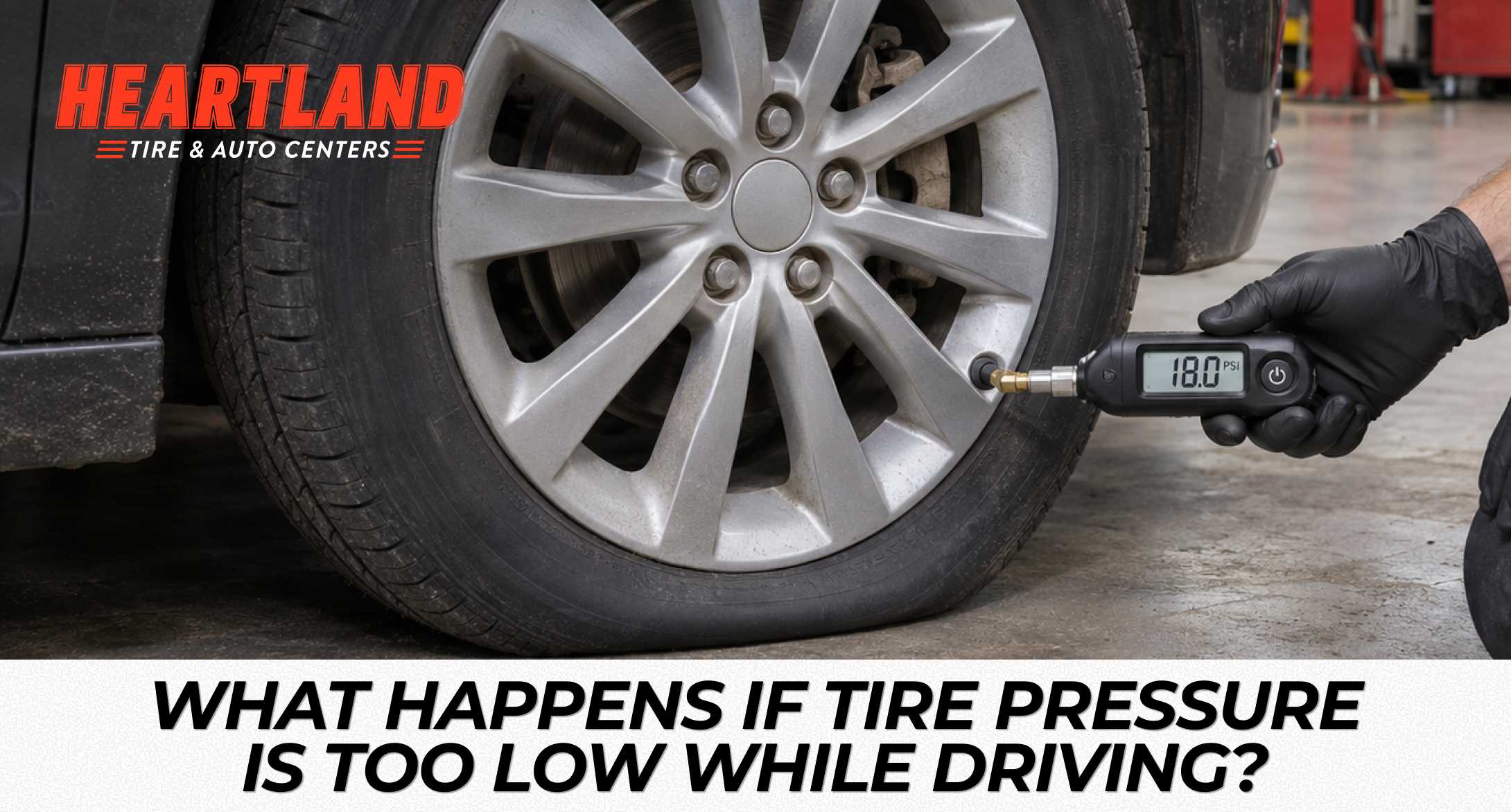
Maintain Proper Tire Pressure
Your tires are your vehicle’s first line of defense against potholes.
Driving with underinflated or overinflated tires increases the likelihood of damage because the tire cannot absorb impacts as effectively.
Check your tire pressure:
- At least once each month.
- Before long road trips.
- During major temperature changes.
- After hitting a significant pothole.
- Whenever the tire pressure warning light appears.
Use the pressure recommended on the driver’s door sticker rather than the maximum pressure listed on the tire sidewall.
Schedule Regular Vehicle Inspections
Preventive maintenance remains one of the smartest investments you can make.
Routine inspections help identify developing problems before they become expensive repairs.
A professional inspection typically includes:
- Tire condition and tread depth – Uneven wear often reveals alignment or suspension issues before handling changes become noticeable.
- Wheel inspection – Technicians look for bends, cracks, and balancing concerns that may not be visible during a casual inspection.
- Suspension evaluation – Ball joints, control arms, bushings, shocks, and struts are checked for wear or damage.
- Steering system inspection – Tie rods and steering components are evaluated for excessive play or wear.
- Wheel alignment check – Proper alignment improves handling, extends tire life, and supports better fuel efficiency.
At Heartland Tire & Auto Centers, technicians understand the challenges Minnesota roads place on vehicles throughout the year. Regular inspections help drivers identify issues early, allowing smaller repairs before they develop into larger, more expensive problems.
A proactive maintenance schedule also provides peace of mind. Whether you commute daily, take frequent road trips, or simply want your family vehicle to remain dependable, preventive care is one of the most effective ways to reduce unexpected repair bills.
Minnesota Pothole Car Damage Guide with Heartland Tire & Auto Centers
Minnesota potholes can damage your tires, wheels, suspension, steering, and alignment, leading to costly repairs if left unchecked. Following this Minnesota Pothole Car Damage Guide helps you spot problems early, improve safety, and protect your vehicle.
If you’ve recently hit a pothole or your vehicle doesn’t feel right, schedule a professional inspection. Heartland Tire & Auto Centers can identify hidden damage and recommend the right repairs to keep you driving safely throughout every Minnesota season.
Request your appointment today and let Heartland Tire & Auto Centers help keep your vehicle safe, dependable, and ready for every Minnesota season.