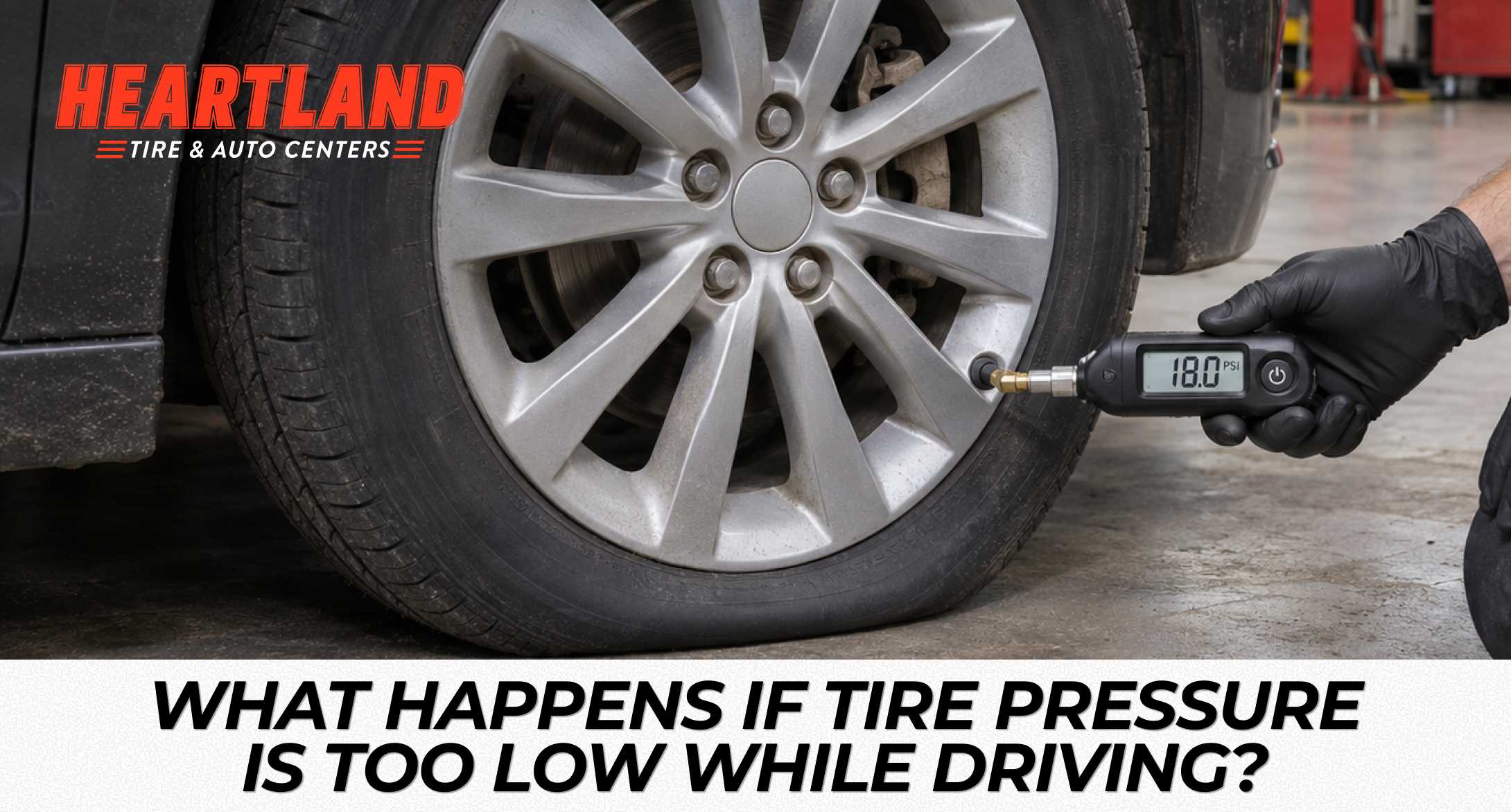



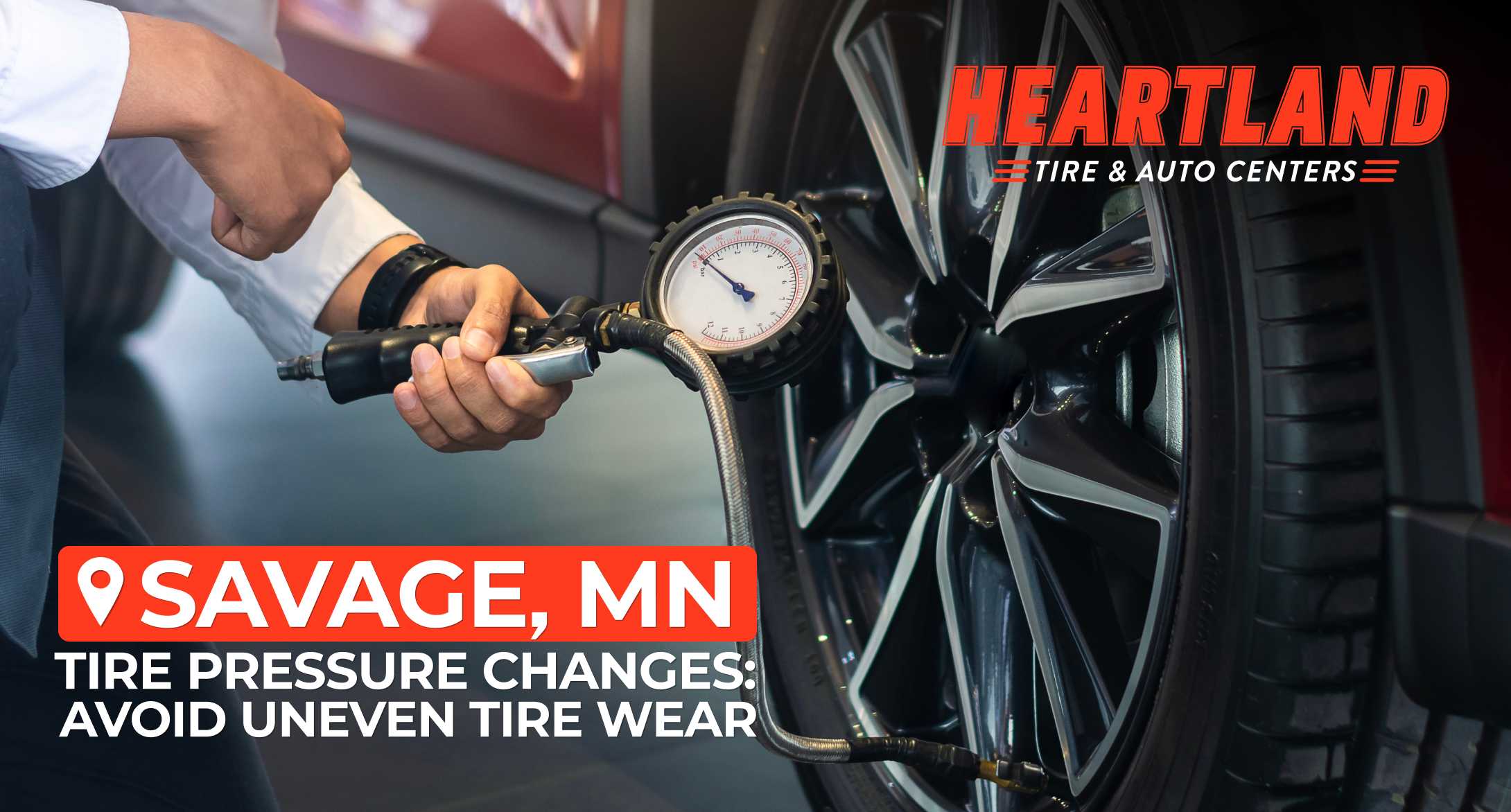
Tire pressure can change with temperature, driving conditions, and even a slow leak. For drivers dealing with Savage MN tire pressure changes, those small PSI differences can affect handling, fuel economy, traction, and tread life. This is especially important in Minnesota, where temperatures can swing dramatically between seasons and from day to night.
Checking and correcting tire pressure is one of the simplest ways to protect your tires. Knowing when to check them, where to find the correct PSI, and what uneven tread wear can tell you can help you catch problems before they become expensive repairs.
TL;DR – Savage MN Tire Pressure Changes Explained
When temperatures change, the air inside your tires expands or contracts. A colder tire generally shows lower pressure, while a warmer tire shows higher pressure. Tire Rack notes that tire pressure can change by roughly 2% for every 10°F change in air temperature, while Michelin explains that tire pressure can change by about 1 to 2 PSI for every 10°C change in tire temperature.
That means a tire that was properly inflated during a mild afternoon may show a noticeably lower reading during a cold Minnesota morning.
For drivers checking tire pressure in Savage, the important point is simple: temperature-related pressure changes are normal, but you still need to keep the tires at the vehicle manufacturer’s recommended cold pressure.
What causes tire pressure to change
Several everyday factors can affect the PSI you see on your gauge. Understanding them makes it easier to tell a normal seasonal change from a problem that deserves inspection.
- Cold temperatures – As temperatures fall, the air inside the tire contracts and pressure decreases. NHTSA specifically advises drivers to check tire pressure as temperatures drop, as cold weather can reduce it.
- Hot weather – Heat causes the air inside the tire to expand, temporarily increasing the pressure reading. A tire checked after a long drive may therefore show a higher PSI than it would when cold.
- Driving – Friction and flexing generate heat as tires roll. That heat raises tire pressure, which is why cold-tire readings are the best reference for setting inflation.
- Slow leaks – A puncture, damaged valve stem, or wheel issue can cause pressure to fall gradually. Seasonal changes may make an existing leak more noticeable.
- Natural air loss – Tires can lose some air over time even without an obvious puncture. Regular checks help catch gradual pressure loss before it becomes a safety concern.
For tire pressure changes in cold weather, checking the tires regularly is more useful than reacting to a single dashboard warning. If one tire repeatedly loses pressure while the others remain stable, that difference deserves closer attention.
How Tire Pressure Affects Uneven Tire Wear
Incorrect inflation changes how the tread contacts the road. That altered contact pattern can cause specific wear patterns that provide clues about what is happening inside the tire.
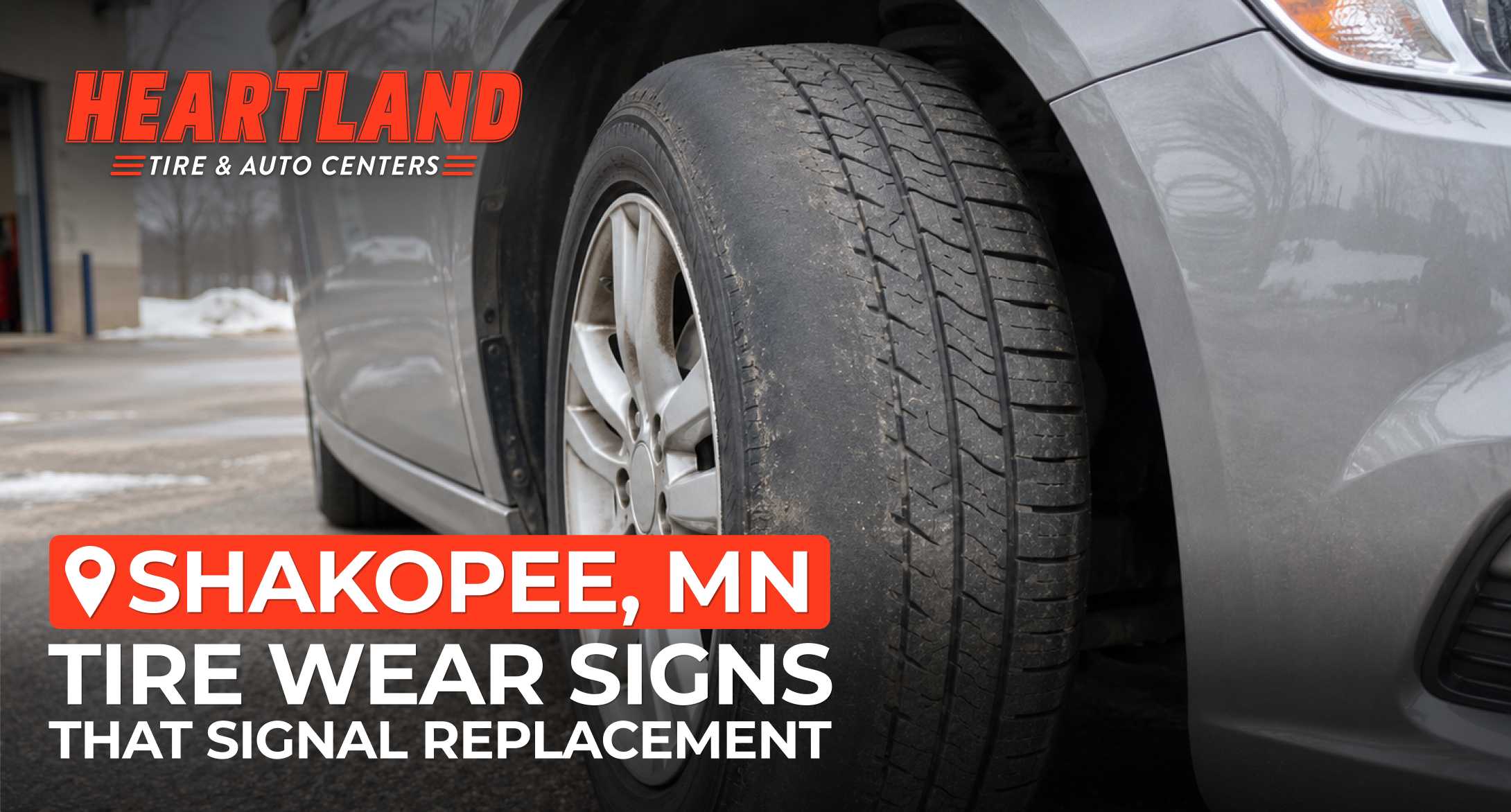
Michelin explains that underinflation can increase wear along both outer shoulders because more of the tire’s load is concentrated toward the edges. Overinflation can produce faster wear through the center of the tread. Wearing contact lenses on only one side can point toward alignment or suspension concerns.
This makes uneven tire wear from low pressure something drivers should take seriously, particularly when the wear appears on multiple tires.
What different wear patterns can tell you
Take a few minutes to look across the entire tread instead of checking only the tire’s overall appearance. Different patterns can point toward different maintenance needs.
- Wear along both outer edges – This commonly points toward underinflation. A tire with insufficient pressure flexes more and can place greater load on the shoulders, accelerating tread wear.
- Wear through the center – Excessive inflation can concentrate more of the vehicle’s load toward the center of the tread. If the center of the tire looks significantly more worn than the edges, check the tire pressure against the manufacturer’s specifications.
- Wear on one edge – A tire worn heavily on its inside or outside edge may indicate an alignment issue. Suspension components can also affect wheel geometry and tread contact.
- Cupped or scalloped wear – Repeated high and low spots around the tread can indicate suspension, balancing, or other mechanical issues. A professional inspection can help identify the cause.
- Patchy or irregular wear – Uneven patterns can result from several factors, including alignment, suspension condition, tire balance, inflation, and driving conditions. The pattern matters, so it is worth having the tire evaluated rather than guessing.
If you notice uneven tire wear from low pressure, correcting the PSI can help prevent additional wear, but it cannot restore tread that has already been lost. The tire should also be checked to determine why the pressure became low in the first place.
What Is the Correct Tire Pressure for Your Vehicle
The correct PSI depends on the vehicle, tire application, and load requirements. It is not automatically the number printed on the tire sidewall.
NHTSA recommends using the vehicle manufacturer’s recommended inflation pressure, which can be found on the Tire and Loading Information label or in the owner’s manual. The number molded into the tire sidewall represents the tire’s maximum allowable pressure under specified conditions, rather than the vehicle’s normal recommended inflation pressure.
When checking proper tire pressure for your vehicle, use the manufacturer’s recommended cold PSI as your target.
Where to find the recommended PSI
You usually do not need to search online for your vehicle’s recommended pressure. Start with these sources:
- Driver’s doorjamb label – Look for the Tire and Loading Information label around the driver’s door frame or pillar. It typically lists the recommended cold inflation pressure.
- Owner’s manual – The manual provides the manufacturer’s specifications and may explain differences between front and rear tire pressures.
- Vehicle information label – Some vehicles have the inflation information on a separate label near the driver’s seat.
- Spare tire information – Do not forget the spare. It may require a different pressure from the tires currently installed on the vehicle.
- Tire service professional – If you are uncertain about the correct PSI, a qualified tire technician can help verify the vehicle’s specifications and inspect the tires.
Following proper tire pressure for your vehicle helps maintain the contact patch the vehicle was designed to use. That can support predictable handling, braking, tire durability, and fuel efficiency.
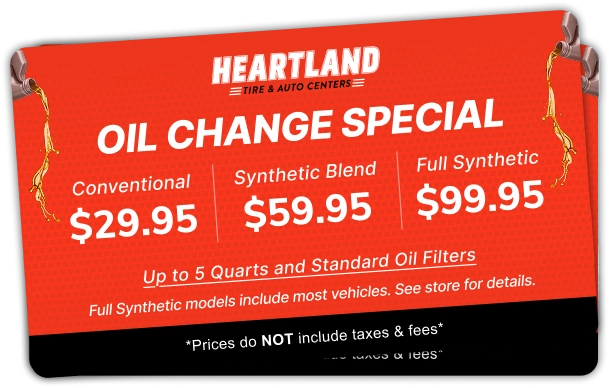
Real Savings
Heartland Values
Claim Yours and Book
An Appointment
When Should You Check Tire Pressure
A monthly check is a good baseline for most drivers. NHTSA recommends checking all tires, including the spare, at least once a month when the tires are cold. It also recommends checking before long trips.
You should also pay extra attention when temperatures change significantly.
For checking tire pressure in Savage, early morning is often a convenient time because the vehicle has typically been sitting for several hours. This gives you a more useful cold reading than checking immediately after driving.
Check your tires in these situations
- Before a long road trip – Highway driving places sustained demands on your tires. Confirming pressure before leaving gives you a chance to address a low tire before you are far from home.
- When temperatures change sharply – A major cold snap can lower pressure enough to trigger a TPMS warning. Check the tires rather than assuming the warning is a sensor problem.
- After hitting a pothole or curb – Minnesota roads can be tough on tires and wheels. A hard impact can damage a tire or wheel even when there is no immediate flat.
- When the TPMS light comes on – The tire pressure monitoring system is useful, but the warning light does not replace routine manual checks. NHTSA notes that TPMS generally warns when a tire is significantly underinflated.
- When you notice unusual handling – Pulling, vibration, a change in steering response, or a visibly low tire can signal a pressure, alignment, balance, or mechanical issue.
Regular checking tire pressure in Savage can take only a few minutes, but it can help prevent avoidable tread wear and identify problems early.
How to Check Tire Pressure Correctly
You can check tire pressure with a basic gauge, but the timing and technique matter. Checking immediately after driving can produce a higher reading because the tires have warmed up.
Follow these steps for a reliable check.
- Let the vehicle sit – Ideally, check the tires before driving or after the vehicle has been parked for at least three hours.
- Find the manufacturer’s PSI – Use the doorjamb label or owner’s manual rather than the maximum pressure printed on the tire sidewall.
- Remove the valve cap – Keep the cap somewhere clean while checking the tire.
- Press the gauge firmly onto the valve stem – A good seal prevents air from escaping and gives you a more accurate reading.
- Compare the reading with the recommended pressure – Check each tire individually because one tire may have lost more pressure than the others.
- Add or release air as needed – Adjust the tire to the vehicle manufacturer’s recommended cold pressure.
- Replace the valve cap – The cap helps protect the valve from dirt and moisture.
- Check the spare – A spare that has been ignored for years may be low when you need it most.
Remember that proper tire pressure for your vehicle may differ between the front and rear tires. Some vehicles also have different specifications depending on passenger load or towing conditions, so always follow the manufacturer’s instructions.
When Tire Pressure Changes Point to a Bigger Problem
Temperature explains many ordinary pressure changes, but it does not explain everything. A tire that consistently loses more pressure than the others deserves attention.
Watch for these signs:
- One tire keeps losing pressure – A recurring pressure loss can indicate a puncture, valve issue, wheel problem, or other leak.
- The TPMS warning returns frequently – Repeated warnings deserve inspection even if the tires appear to hold air after being inflated.
- The vehicle pulls to one side – Pulling can be related to pressure differences, alignment, tire condition, or suspension problems.
- The steering wheel vibrates – Vibration may indicate a balance problem, wheel issue, tire damage, or another mechanical concern.
- The tread is wearing unevenly – Abnormal wear can indicate pressure problems, alignment concerns, suspension wear, or a combination of factors.
These symptoms matter because uneven tire wear from low pressure may be only one part of a larger tire or vehicle problem. A complete inspection can help identify the root cause before it damages additional components.
Savage MN Tire Pressure Changes and Heartland Tire
When you pay attention to Savage MN tire pressure changes, you can catch many tire problems before they turn into uneven wear or an unexpected roadside issue. A quick pressure check, combined with regular tread inspections and proper tire maintenance, can help you get more useful life from your tires.
If your tire pressure keeps changing or you have noticed uneven tread wear, schedule an inspection with Heartland Tire & Auto Centers. The Savage location can check your tires, assess pressure-related wear, and help determine whether you need tire service, alignment, TPMS service, or another repair.