



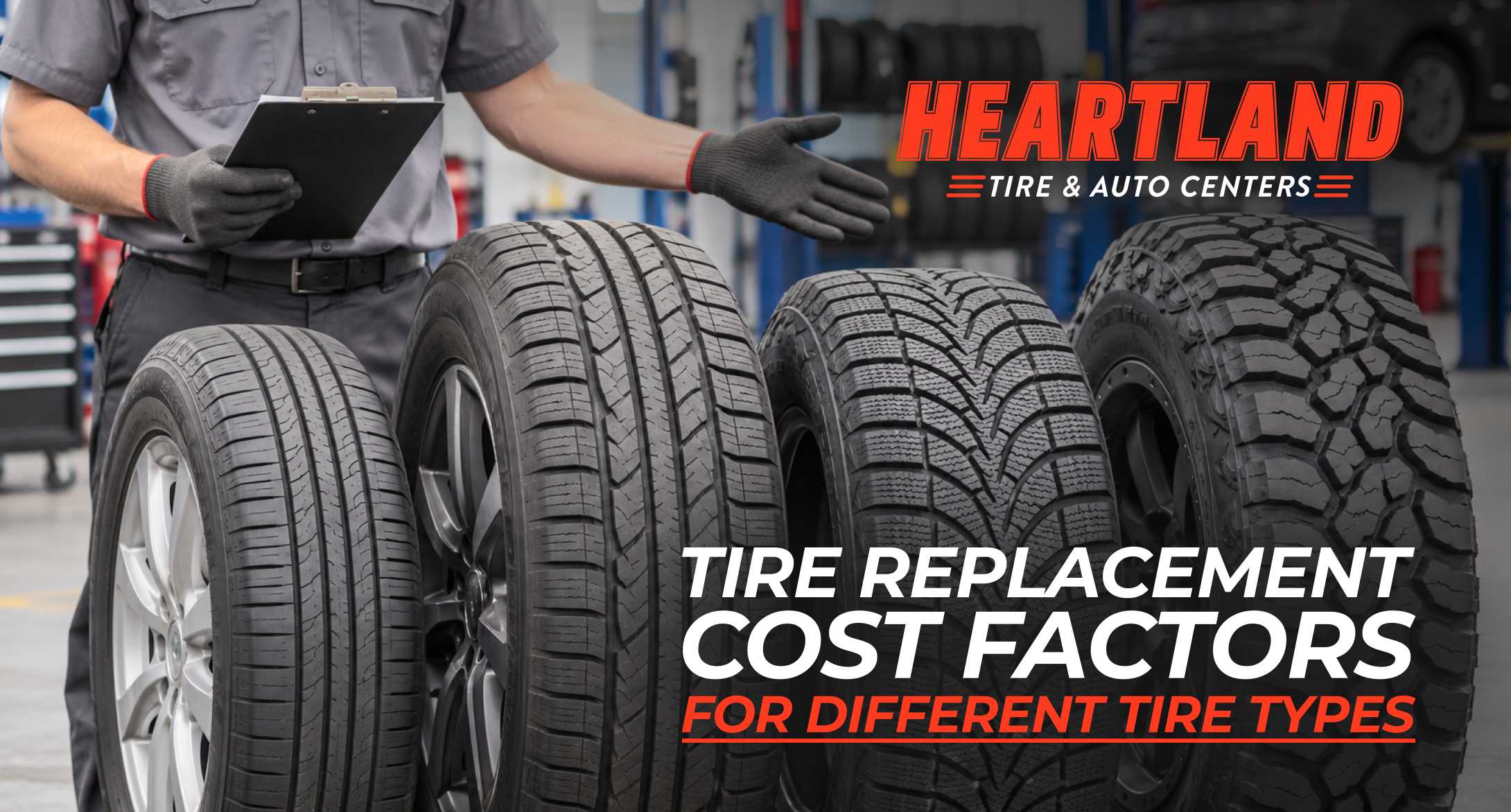
Replacing tires can be a significant expense, especially when you need a full set for your car, SUV, or truck. The tire replacement cost factors that matter most include tire size, brand, tread design, vehicle requirements, and installation fees. Understanding these differences helps you compare quotes, plan your budget, and choose tires that suit your driving needs.
For drivers across Minnesota, Heartland Tire & Auto Centers offers tire options and installation services to help make the buying process easier. Before choosing your next set, learn what affects the final price and which expenses deserve your attention.
TL;DR: Understanding Tire Replacement Cost Factors
- Tire type affects the price – All-season, winter, touring, performance, and all-terrain tires have different designs and price points.
- Size and vehicle requirements matter – Larger tires and specialized fitments can cost more than standard passenger-car tires.
- Installation adds to the total – Mounting, balancing, valve components, and disposal fees can increase your final bill.
- Premium features can influence value – Wet traction, noise control, tread life, and road hazard protection may justify a higher price.
- Comparing complete quotes saves money – Check the full installed cost, warranty terms, and included services before making a decision.
What Are the Main Tire Replacement Cost Factors?
The total price depends on the tires your vehicle requires and the services needed to install them safely. Two drivers replacing four tires can receive very different quotes, even when both own everyday vehicles.
Here are the main factors to consider when reviewing a tire estimate.
1. Tire size and vehicle fitment
Tire size is one of the first details to check. A tire’s width, aspect ratio, and wheel diameter affect which products fit your vehicle, and different sizes can have different prices.
A compact sedan with standard 15-inch wheels may have less expensive replacement options than an SUV with larger 20-inch wheels. However, size alone does not determine the price. Availability, construction, and the specific tire model also matter.
Before shopping, check the tire information placard on your driver’s door jamb or consult your owner’s manual. Use the approved size and load requirements rather than selecting a tire based on appearance or price alone.
2. Tire brand and product quality
Tires are available across budget, midrange, and premium price categories. Premium models may offer specific benefits in wet braking, handling, cabin noise, or treadwear, but performance varies by product.
A less expensive tire can be a sensible choice when it meets your vehicle’s requirements and driving needs. The key is to compare the actual tire models rather than assuming every product in one price category performs the same way.
3. Tread design and intended use
Tires designed for different conditions require different tread patterns and rubber compounds. These differences affect traction, handling, comfort, and cost.
For example, a touring tire designed for everyday commuting has different priorities from an aggressive all-terrain tire built for mixed pavement and gravel driving. Choosing the right category helps you avoid paying for features you rarely use.
4. Installation and additional services
The price displayed on a tire may not represent the full replacement cost. A complete estimate may include mounting, balancing, valve service, tire pressure monitoring system work, and disposal of old tires.
Wheel alignment may also be recommended if the vehicle has uneven tread wear or handling problems. Ask which services are included and which are optional before approving the work.
How Much Does Tire Replacement Cost by Tire Type?
The cost of replacing tires varies by size, brand, vehicle, and location. As a broad 2026 U.S. budgeting reference, a set of four ordinary passenger-car tires may cost several hundred dollars installed, while larger SUV, truck, and specialty tire packages can reach well over $1,000.
These are general market estimates, not a quote from Heartland Tire & Auto Centers. Actual prices depend on the exact tire model and current availability.
All-season tires
All-season tires are designed for everyday use in a range of moderate weather conditions. They are common on sedans, hatchbacks, crossovers, and many family vehicles.
Their wide availability gives shoppers several price points to compare. For drivers who want one set of tires for much of the year, an appropriate all-season model can offer a practical balance of comfort, traction, and cost.
However, all-season tires are not interchangeable with dedicated winter tires in every situation. Minnesota drivers should consider how well their chosen model performs during freezing temperatures, snow, and ice.
Touring tires
Touring tires focus on ride comfort, predictable handling, and everyday driving. Some models also emphasize low road noise and long tread life.
They may cost more than basic alternatives when they include specialized construction or premium features. Compare treadwear warranties and independent performance tests instead of choosing solely by the advertised mileage rating.
Performance tires
Performance tires are designed to support responsive steering, cornering grip, and handling. Some are intended for warm-weather use, while others offer broader seasonal capabilities.
Specialized compounds and tread designs can increase their price. Certain performance tires may also wear faster than touring models, depending on the product and driving habits.
Before buying, confirm the tire’s seasonal suitability and load and speed ratings. A lower purchase price can be less attractive if the tire does not match your vehicle’s requirements.
Winter tires
Winter tires use specialized rubber compounds and tread designs to improve grip in cold weather, snow, and icy conditions. They can be especially useful for drivers who regularly travel through harsh Minnesota winters.
The purchase price is only one consideration. If you switch between winter and summer or all-season sets, you may also need seasonal mounting, balancing, and suitable storage.
A dedicated winter set can be a worthwhile investment for drivers who frequently encounter severe winter conditions. The best choice depends on your routes, driving frequency, and available storage.
All-terrain and truck tires
All-terrain tires are designed for a mix of paved roads and off-road surfaces. Truck tires may also need higher load capacities to support the vehicle and its intended use.
Larger dimensions, reinforced construction, and aggressive tread patterns can increase prices. A heavy-duty truck used for towing may have different tire requirements from a pickup used primarily for commuting.
Choose a tire that meets the vehicle manufacturer’s specifications and your actual workload. Overspending on off-road features may not provide much benefit if you rarely leave paved roads.
Real Savings
Heartland Values
Claim Yours and Book
An Appointment
Five Factors Affecting Tire Replacement Costs Beyond Tire Type
Choosing the right category is only part of the buying decision. Several other details can change the final bill, so review these points before accepting an estimate.
1. Number of tires being replaced
Replacing one tire costs less upfront than buying a complete set, but the decision depends on the condition of the remaining tires.
If one tire is damaged, ask a technician to inspect the others for tread depth, wear patterns, and age. Some vehicles, particularly certain all-wheel-drive models, have strict limits on tire-circumference differences.
Replacing only one tire may be appropriate in some situations. In others, replacing two or four tires may better protect handling and drivetrain components.
2. Mounting and balancing requirements
Mounting involves fitting the tire onto the wheel. Balancing helps distribute the wheel-and-tire assembly’s weight evenly to reduce vibration.
Ask whether both services are included in the quote. Also confirm whether the shop charges separately for each wheel or offers an installation package.
3. Tire pressure monitoring system service
Many modern vehicles use a tire pressure monitoring system, or TPMS, to alert drivers when tire pressure is too low.
Depending on the vehicle, replacement may require sensor inspection, service components, resetting, or sensor replacement. Not every tire change requires a new sensor, so ask the shop to explain any additional charge.
4. Wheel alignment
Wheel alignment adjusts the angles of the wheels to the vehicle manufacturer’s specifications. Incorrect alignment can contribute to uneven tread wear and handling problems.
Alignment is not automatically required every time tires are replaced. However, pulling to one side, an off-center steering wheel, or uneven wear may justify an inspection.
5. Warranty and road hazard coverage
Some tire purchases include manufacturer warranties, while others require an optional protection plan. Coverage may address certain road damage, repairs, replacement, or other services, depending on the terms.
Heartland Tire & Auto Centers offers road hazard protection for eligible tires. Its published program lists a $20 charge per eligible tire and includes benefits such as free flat repairs, lifetime rotations, and rebalancing, subject to program terms.
Review the written coverage before purchasing. Ask about exclusions, eligibility, claim procedures, and whether replacement coverage is full or prorated.
How to Get Better Value From Replacement Tires
Reducing your tire bill does not mean choosing the cheapest product available. A better approach is to select a suitable tire, understand the full price, and maintain it correctly.
Choose tires for your driving habits
Consider how and where you drive most often. Daily commuters may prioritize comfort and tread life, while drivers who regularly encounter snow may need stronger winter performance.
You should also consider highway mileage, road conditions, cargo, and towing requirements. A tire that suits your normal driving needs is often a better investment than one with features you rarely use.
Maintain correct tire pressure
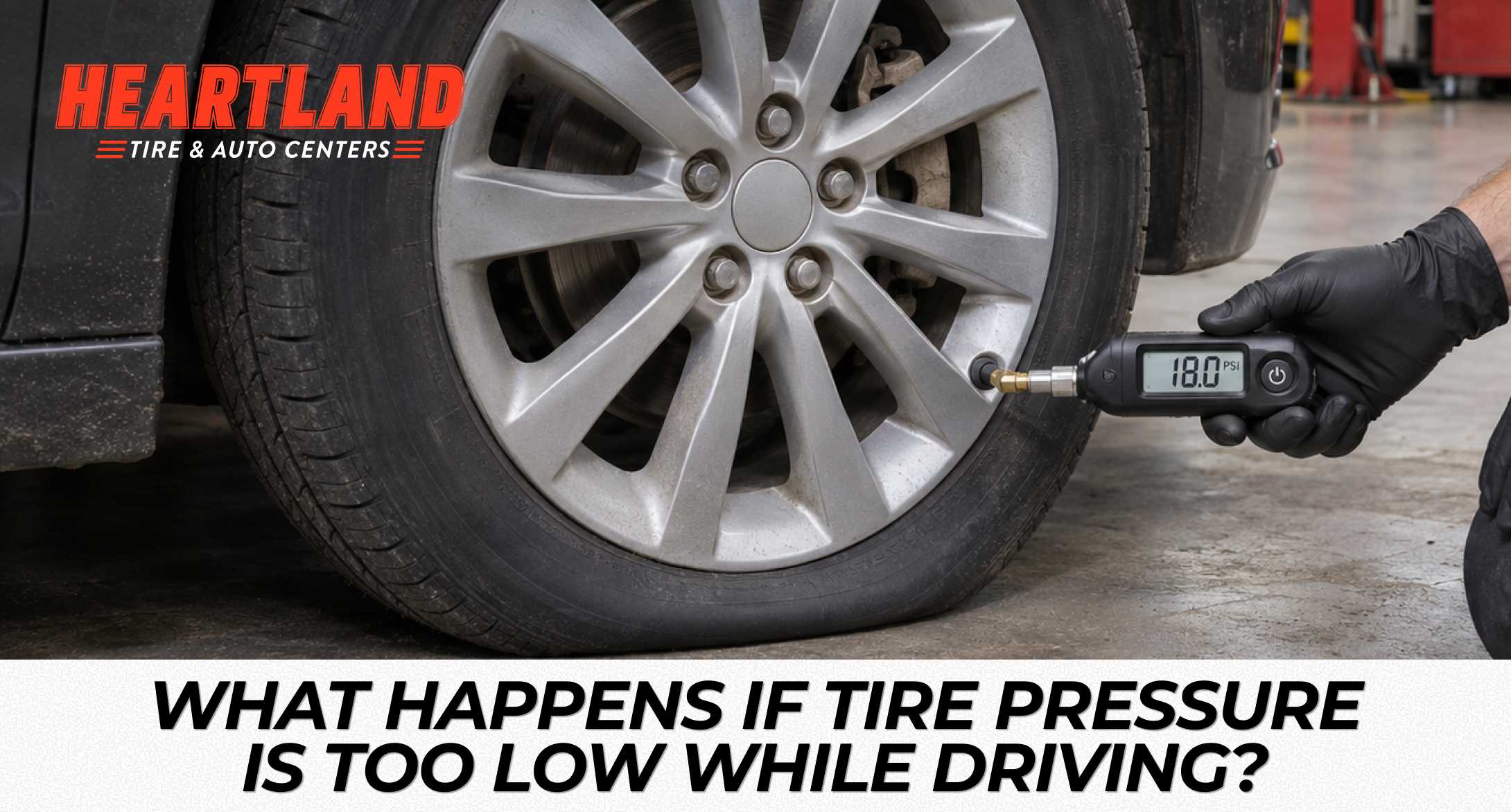
Underinflated or overinflated tires can affect handling, wear, and fuel economy. Check pressure when the tires are cold and follow the vehicle manufacturer’s recommended settings rather than the maximum pressure printed on the tire sidewall.
Regular pressure checks help you identify slow leaks before they become larger problems. They also give you an opportunity to spot visible damage.
Rotate tires as recommended
Tire rotation helps manage differences in wear between front and rear tires. The correct rotation pattern and interval depend on the vehicle, tire type, and manufacturer’s guidance.
Some vehicles have directional tires or different front and rear sizes that limit rotation options. Follow the applicable instructions rather than using a universal rotation pattern.
Inspect tread and visible damage
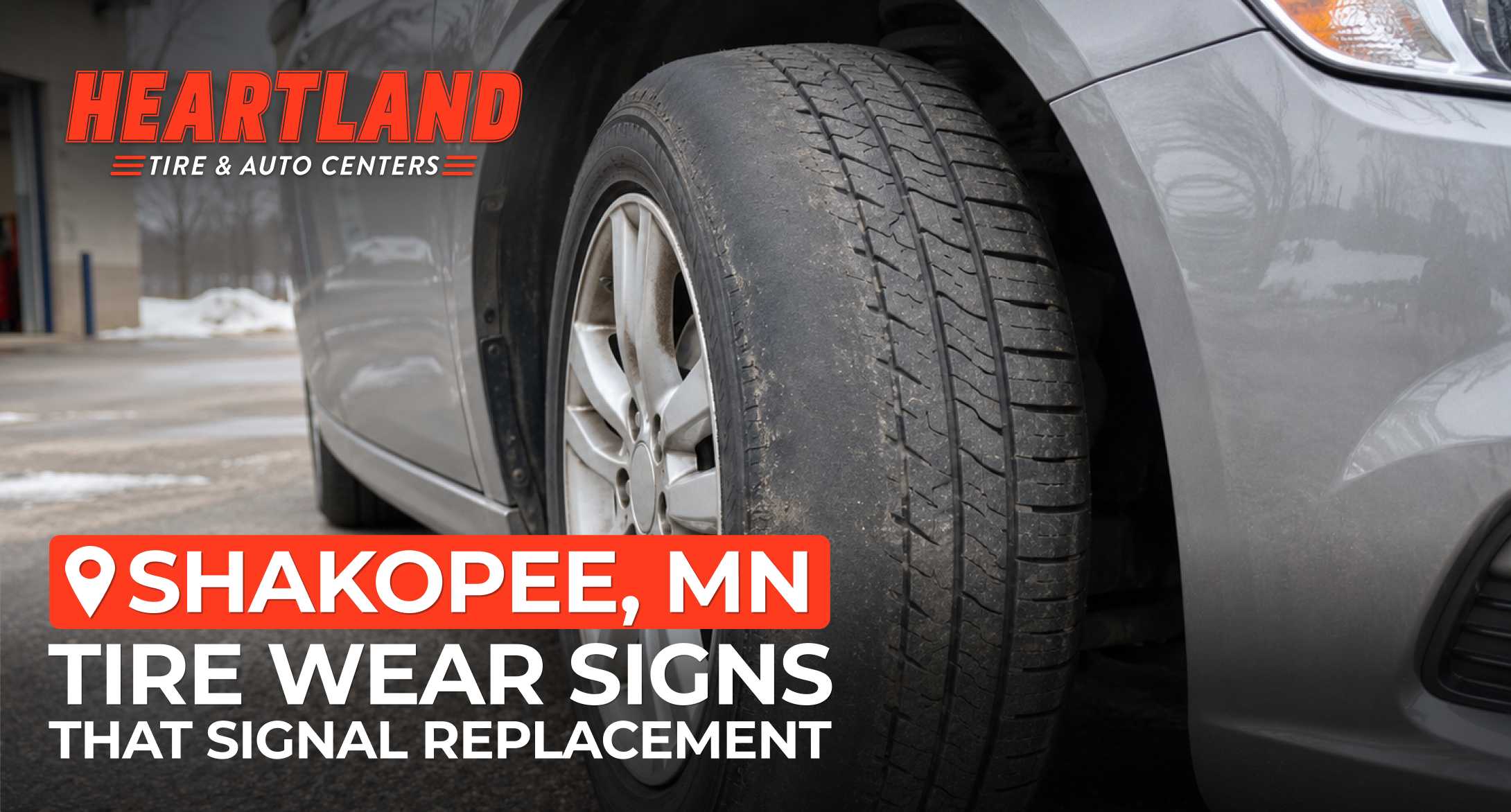
Look for uneven wear, cracks, bulges, exposed cords, and recurring pressure loss. These signs can indicate that a tire needs professional inspection or replacement.
A technician can help determine whether the problem is related to the tire itself, alignment, suspension, or another issue. Addressing the cause can help protect your next set of tires.
Consider the cost over the tire’s useful life
A lower purchase price does not always mean a lower long-term cost. Differences in tread life, performance, warranty coverage, and maintenance requirements can influence overall value.
Compare the expected service life of suitable tire models, but remember that advertised mileage warranties are not guarantees of actual lifespan. Driving habits, road conditions, inflation, and maintenance all affect wear.
When Should You Replace Your Tires?
Knowing when to replace tires helps you plan the expense before an emergency forces a rushed purchase.
Check your tires regularly for these warning signs:
- Low tread depth – The U.S. legal minimum tread depth for ordinary passenger tires is generally 2/32 of an inch, but wet-weather performance can deteriorate before tires reach that point.
- Sidewall bulges – A bulge may indicate internal structural damage and requires prompt professional attention.
- Cracks or exposed cords – Visible structural damage can make a tire unsafe to use.
- Repeated pressure loss – A slow leak may come from a puncture, valve, or wheel problem.
- Uneven tread wear – Different wear patterns may point to inflation, alignment, or suspension issues.
Do not wait for a tire to fail before arranging an inspection. If you notice a bulge, exposed cords, or another serious defect, avoid driving on the tire and arrange appropriate assistance.
Tire Replacement Cost Factors for Minnesota Drivers
Minnesota weather can influence tire selection and maintenance needs. Freezing temperatures, snow, ice, spring potholes, and changing road conditions all affect how drivers use their tires.
For drivers in Brainerd, Brooklyn Park, Burnsville, Eagan, Shakopee, and other Heartland service areas, the right replacement depends on vehicle specifications and typical driving conditions.
A few practical considerations can help you prepare:
- Check your tire pressure during temperature changes.
- Inspect the tread and sidewalls after hitting a pothole.
- Choose seasonal tires based on the conditions you regularly encounter.
- Ask about installation timing before winter demand increases.
- Compare complete quotes before committing to a purchase.
These habits can make it easier to plan a replacement and help you identify problems before they become urgent.
Get a Tire Replacement Quote From Heartland Tire & Auto Centers
Understanding the factors that affect tire replacement costs makes it easier to compare options without overlooking important details. Tire type, size, installation, vehicle requirements, and warranty coverage all influence the final price.
The most useful quote is one that identifies the exact tires, lists included services, and explains any additional charges. That gives you a clearer basis for comparing value and deciding what fits your budget.
Heartland Tire & Auto Centers serves drivers across Minnesota with tire sales, installation, repair, and related automotive services. Its team can help you compare suitable options for your vehicle and driving needs.
Need new tires for your car, SUV, or truck? Request an appointment with Heartland Tire & Auto Centers at a convenient Minnesota location to discuss tire options, installation, and pricing.