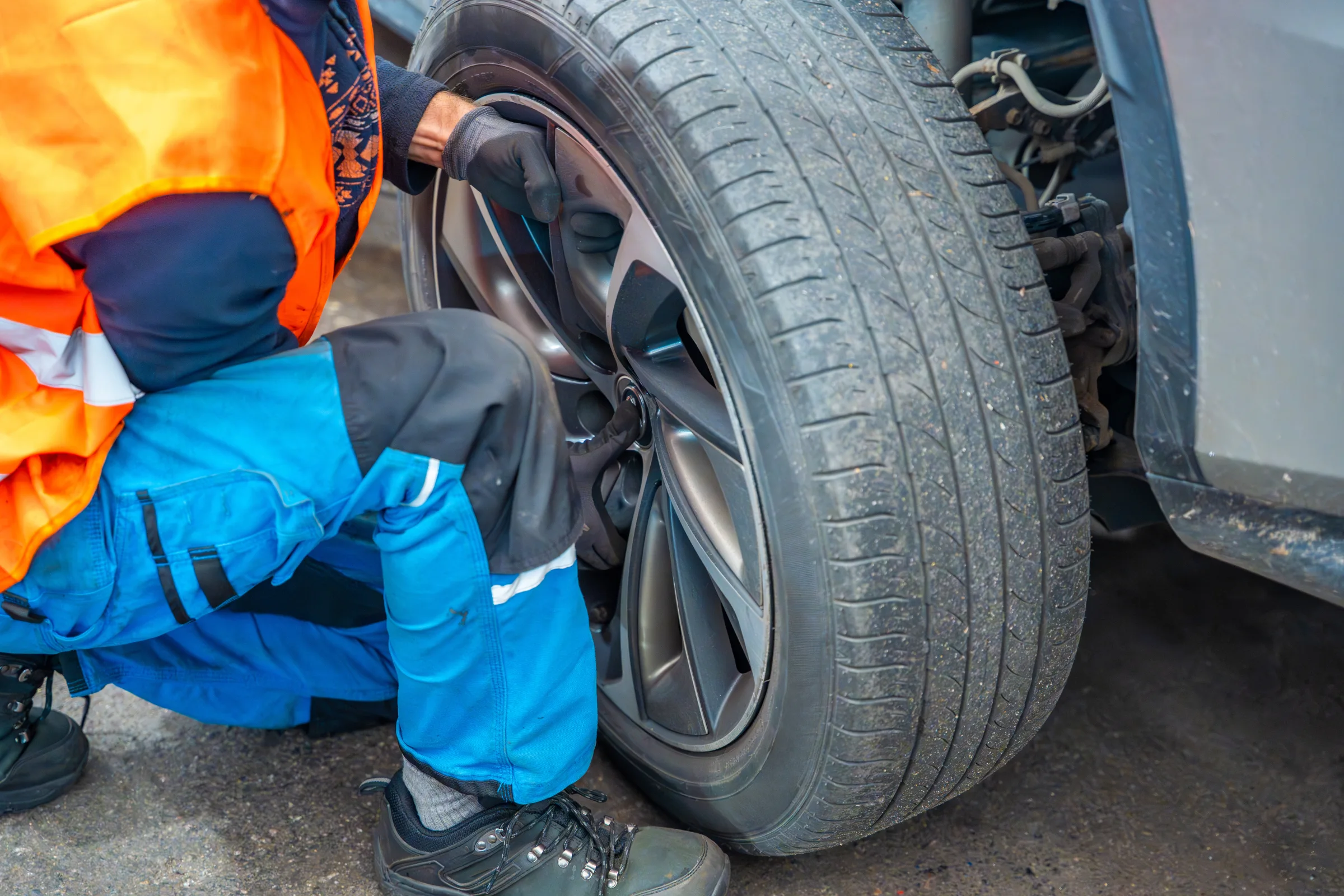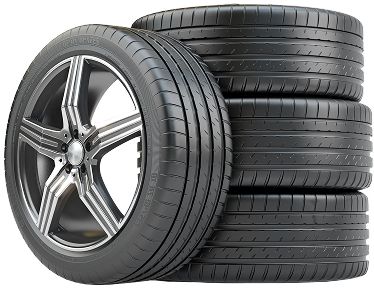




For most vehicles, experts recommend rotating tires every 5,000 to 7,500 miles. However, Minnesota driving conditions often require closer attention, especially for SUVs, AWD vehicles, and drivers who spend long hours on the road during winter. Following a consistent tire rotation schedule for Minnesota drivers helps improve traction, reduce uneven tread wear, and extend tire life.
At Heartland Tire & Auto Centers, technicians help drivers across Brainerd, Burnsville, Eagan, Shakopee, Champlin, West Bloomington, and nearby Minnesota communities stay ahead of tire wear with professional maintenance tailored to local roads and weather.
TL;DR – How Often to Rotate Tires on Minnesota Roads
- Most vehicles should follow a tire rotation schedule for Minnesota drivers every 5,000 to 7,500 miles.
- AWD vehicles and SUVs often need tire service more frequently for winter driving in Minnesota because all four tires wear out faster.
- Snow, potholes, and rough roads cause uneven tire wear year-round on Minnesota roads.
- Routine tire maintenance near Minnesota highways helps improve handling, fuel economy, and winter traction.
- Booking seasonal tire inspections in Minnesota can help drivers spot tire problems before they become expensive repairs.
Why Tire Rotation Matters More in Minnesota
Minnesota roads create driving conditions that are harder on tires than many drivers realize. Winter weather, sudden temperature changes, and rough pavement all contribute to faster tread wear.
Without regular tire rotations, some tires wear down much faster than others. Front tires usually experience the most stress because they handle steering, braking, and much of the vehicle’s weight.
Common Causes of Uneven Tire Wear on Minnesota Roads
Drivers throughout Minnesota often experience tire problems sooner than expected due to local road conditions. Understanding what causes tire wear can help you stay proactive with maintenance.
- Snow and ice increase tire stress – Slippery roads force tires to work harder for traction during acceleration, braking, and cornering.
- Potholes damage tire structure – Minnesota’s freeze-thaw cycles create potholes that can quickly affect alignment and wear patterns.
- Road salt affects rubber compounds – Salt exposure during winter can accelerate tire aging and wheel corrosion.
- Heavy SUVs and trucks wear tires faster – Larger vehicles place extra pressure on tread surfaces, especially during winter driving.
- Temperature swings change tire pressure – Tire pressure drops during cold weather and can lead to uneven wear if not monitored regularly.
Drivers who follow a tire rotation schedule for Minnesota drivers often notice smoother handling and better traction throughout the year. Small maintenance steps now can help prevent expensive tire replacement later.
Routine service also gives technicians a chance to inspect tires for hidden damage that many drivers would never notice on their own.
How Often to Rotate Tires on Minnesota Roads
Most manufacturers recommend rotating tires every 5,000 to 7,500 miles. That interval works well for many vehicles under normal driving conditions.
However, tire service for winter driving in Minnesota may need to be done sooner, depending on your vehicle and driving habits.
Recommended Rotation Intervals by Vehicle Type
Different vehicles wear tires differently. Factors like drivetrain setup, weight distribution, and driving style all affect how often tires should be rotated.
- Front-wheel-drive sedans – Front tires wear faster because they handle braking and steering. Rotations every 5,000 to 7,500 miles are recommended.
- SUVs and crossovers – Heavier vehicles benefit from a more frequent tire rotation schedule for Minnesota drivers because winter roads increase tread stress.
- AWD vehicles – AWD systems require balanced tread depth across all four tires. Many manufacturers recommend rotating every 3,000 to 5,000 miles.
- Pickup trucks – Trucks used for towing or gravel-road driving may experience accelerated rear tire wear.
- Electric vehicles – EVs produce instant torque that can increase tire wear faster than traditional vehicles.
Minnesota drivers who travel long distances during winter should pay even closer attention to tire condition. Tire wear can increase significantly during months with snow and ice-covered roads.
Following routine tire maintenance near Minnesota highways also helps improve overall ride quality and handling consistency.
Signs Your Tires Need Rotation
Many drivers wait until their tires look obviously worn before scheduling service. Unfortunately, by that point, uneven tire wear may already reduce tire lifespan.
Knowing the warning signs early can help you avoid unnecessary tire replacement costs.
Common Warning Signs Minnesota Drivers Should Watch For
Local drivers should pay attention to changes in vehicle handling and tread appearance throughout the year.
- Steering wheel vibration – Uneven tread wear often causes vibration at highway speeds.
- Vehicle drifting slightly – Tires with inconsistent wear patterns can affect straight-line driving.
- Increased road noise – Worn tread can cause a humming or thumping sound while driving.
- Reduced traction in snow – Tires with uneven tread lose grip much faster during winter conditions.
- Visible tread wear differences – Front or rear tires may appear noticeably more worn than the others.
Booking seasonal tire inspections in Minnesota helps catch these problems before they become safety concerns. Tire technicians can measure tread depth and identify alignment issues that contribute to uneven wear.
Drivers often notice improved steering response and smoother handling immediately after tire rotation.
No waiting
No Mail-in Hassle
Just immediate saving
on your tires!

What Happens During Tire Rotation Service
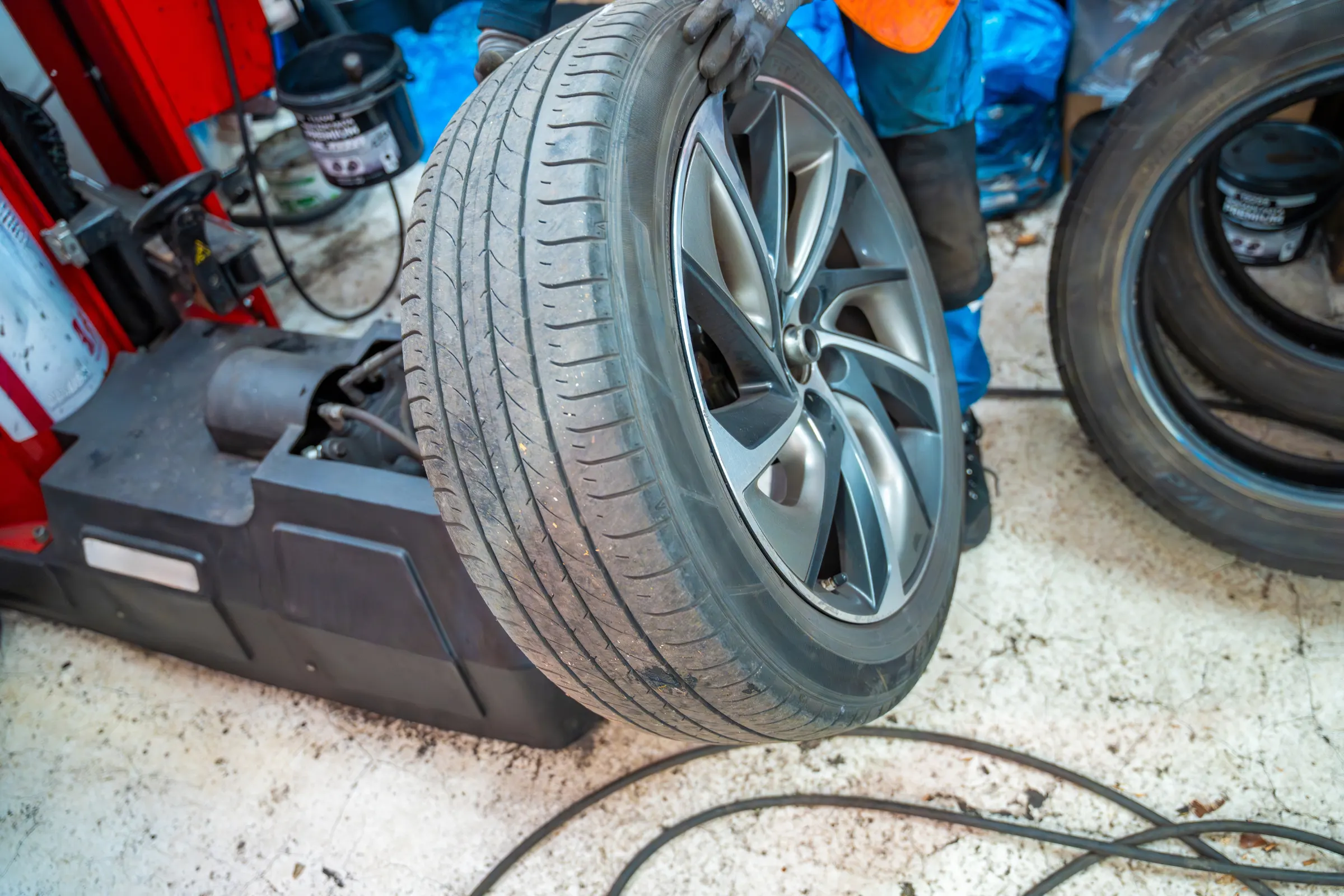
Professional tire rotation involves much more than moving tires from one position to another. Technicians inspect your entire tire system to ensure even, safe wear.
At Heartland Tire & Auto Centers, technicians follow manufacturer-recommended rotation patterns based on your vehicle type and tire design.
What Technicians Inspect During Tire Service
Routine inspections provide valuable information about your vehicle’s overall condition.
- Tread depth measurements – Uneven tread wear may indicate alignment or suspension problems.
- Air pressure checks – Proper inflation improves traction and tire longevity.
- Sidewall inspection – Cracks, punctures, or bulges can compromise tire safety.
- Alignment wear patterns – Tire edges can reveal steering or suspension issues.
- Brake and suspension visibility – Rotations provide access for visual inspections of nearby components.
Drivers who maintain a regular tire rotation schedule for Minnesota drivers often avoid premature tire replacement and improve vehicle stability during winter driving.
Routine inspections also help technicians recommend additional tire service for winter driving in Minnesota if needed before severe weather arrives.
How Minnesota Winters Affect Tire Life
Minnesota winters create extreme conditions for tires. Cold temperatures naturally reduce tire pressure, while snow and ice force tires to work harder for traction.
Tire pressure drops roughly 1 PSI for every 10-degree drop in temperature. Underinflated tires wear faster and reduce fuel economy.
Winter Driving Habits That Increase Tire Wear
Many common winter driving habits place additional stress on tires without drivers realizing it.
- Frequent hard braking on icy roads – Sudden stops increase front tire wear quickly.
- Spinning tires in deep snow – Excessive wheel spin accelerates tread loss.
- Driving through potholes repeatedly – Winter road damage can weaken tire structure and affect alignment.
- Ignoring seasonal pressure changes – Cold temperatures reduce tire pressure throughout winter.
- Skipping winter tire inspections – Small tire issues can worsen rapidly in freezing conditions.
Routine tire maintenance near Minnesota highways becomes even more important during the winter months. Tires that perform well in snow often receive consistent maintenance year-round.
Drivers who stay proactive with seasonal tire inspections in Minnesota also reduce the risk of unexpected tire failures during severe weather.
How Tire Rotation Helps You Save Money
Tire replacement can become expensive quickly, especially for larger SUVs and AWD vehicles. Tire rotations help drivers evenly extend the lifespan of all four tires.
Many drivers are surprised by how much money simple maintenance can save over time.
Financial Benefits of Tire Rotation
Consistent maintenance protects both your tires and other vehicle components.
- Longer tire lifespan – Even tread wear helps tires last closer to their expected mileage rating.
- Better fuel economy – Balanced tires reduce rolling resistance and improve efficiency.
- Reduced suspension wear – Uneven tires place extra stress on steering and suspension systems.
- Lower replacement costs – Rotating tires regularly helps prevent having to replace a worn pair early.
- Protection for AWD systems – Balanced tread depth reduces drivetrain strain on AWD vehicles.
Drivers following a tire rotation schedule for Minnesota drivers often avoid expensive repairs linked to neglected tire wear. Staying consistent with service intervals is far more affordable than replacing tires prematurely.
First-time car owners, especially, benefit from understanding how preventive tire care protects long-term vehicle performance.
How Often to Rotate Tires on Minnesota Roads With Heartland Tire & Auto Centers
Knowing how often to rotate tires on Minnesota roads helps extend tire life, improve traction, and reduce maintenance costs. Most vehicles need tire rotations every 5,000 to 7,500 miles, while AWD and SUV models may need service more often.
Minnesota roads and weather create extra tire wear from snow, potholes, gravel, and freezing temperatures. Following a regular tire rotation schedule helps tires wear evenly and perform better year-round.
Schedule your next tire rotation and seasonal tire inspections in Minnesota today. Local technicians are ready to help drivers across Minnesota stay prepared for every season on the road.