



Planning a road trip around Brainerd is exciting. From weekends at Gull Lake to family camping trips through the Brainerd Lakes Area, every journey starts with a dependable vehicle. The last thing anyone wants is to end up on the shoulder of Highway 371 waiting for roadside assistance because of a problem that could have been prevented.
These Brainerd MN road trip car tips are designed to help local car owners, SUV drivers, and first-time vehicle owners prepare with confidence. A little maintenance before leaving home can reduce the risk of unexpected repairs, improve fuel efficiency, and make every mile safer. Professional technicians at Heartland Tire & Auto Centers recommend inspecting your vehicle well before your departure date so there’s enough time to address any issues that arise.
TL;DR – Brainerd MN Road Trip Car Tips at a Glance
- Follow these Brainerd MN road trip car tips before every long drive.
- Check your vehicle before a road trip to reduce the risk of roadside breakdowns.
- Prepare your car for Minnesota road trips by inspecting tires, brakes, fluids, and your battery.
- Complete a pre-trip vehicle inspection in Brainerd several days before leaving.
- Keep an emergency kit in your vehicle so you’re prepared for unexpected situations.
Why Brainerd Drivers Should Prepare Before Every Road Trip
Brainerd offers easy access to lakes, forests, state parks, and scenic highways, making it one of Minnesota’s favorite destinations for weekend travel. While these drives are enjoyable, they can also place extra demands on your vehicle. Long highway speeds, changing weather, gravel roads leading to cabins, and heavy summer traffic all contribute to additional wear on important components.
Taking time to check your vehicle before a road trip helps catch small problems before they become expensive repairs. It also provides peace of mind, especially if you’re traveling with children, pets, or towing a trailer.
Some of the most common causes of roadside breakdowns include:
- Weak battery – Batteries often fail without much warning, especially after extreme Minnesota winters. A quick battery test can reveal whether it’s ready for another long drive.
- Low or damaged tires – Improper tire pressure increases the risk of blowouts, uneven wear, and poor fuel economy. Damaged tires can become dangerous at highway speeds.
- Brake problems – Worn brake pads, thin rotors, or leaking brake fluid reduce stopping power. Mountain roads, construction zones, and sudden traffic slowdowns require dependable brakes.
- Low fluid levels – Engine oil, coolant, transmission fluid, brake fluid, and windshield washer fluid all play important roles in keeping your vehicle operating safely.
- Overheating – Cooling system problems often appear during long-distance driving because the engine stays under load for extended periods.
Even if your vehicle seems to be running perfectly, scheduling a pre-trip vehicle inspection in Brainerd allows experienced technicians to identify hidden issues before they leave you stranded.
Preventive maintenance is also one of the easiest ways to extend your vehicle’s lifespan. Spending a little time preparing today can save hundreds or even thousands of dollars in emergency repairs later.
Real Savings
Heartland Values
Claim Yours and Book
An Appointment

Brainerd MN Road Trip Car Tips to Prevent Breakdowns
Before leaving Brainerd for a weekend getaway, family vacation, or longer Minnesota road trip, give your vehicle a thorough once-over. Taking time to check your vehicle before a road trip can reveal small problems that may become expensive or dangerous after hours on the highway.
These Brainerd MN road trip car tips cover the systems most likely to affect your safety, comfort, and reliability. Ideally, complete your checks several days before departure so you have time to schedule repairs or replace worn parts if something needs attention.
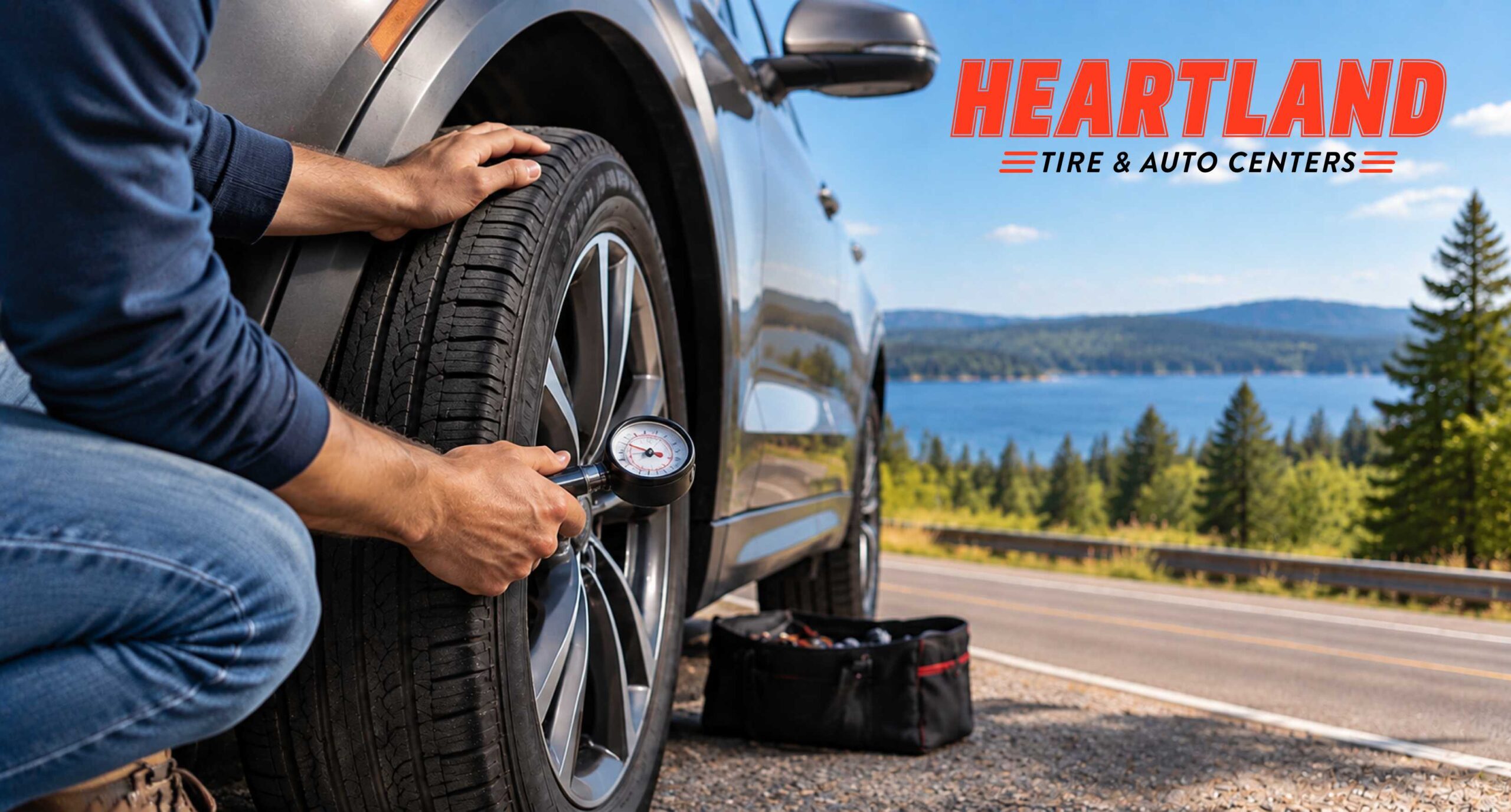
- Check your tire pressure – Check all four tires when they’re cold and inflate them to the pressure listed on your driver’s door-jamb sticker. Don’t use the maximum PSI printed on the tire sidewall as your target. Proper inflation helps maintain handling, braking, fuel economy, and even tread wear, while underinflated tires can generate additional heat during extended highway driving.
- Inspect tire tread and sidewalls – Look for uneven tread wear, cracks, cuts, punctures, bulges, or other visible damage. A tire with adequate tread can still be unsafe if its sidewall is damaged. If you’re carrying camping equipment, luggage, or several passengers, remember that the additional weight puts greater demands on your tires.
- Check the spare tire and tire equipment – A spare tire doesn’t help if it’s flat or if you’ve forgotten the tools needed to install it. Check the spare’s inflation, locate the jack and lug wrench, and make sure you know where they’re stored. If your vehicle uses a tire repair kit or inflator instead of a traditional spare, confirm that the equipment is present and functional.
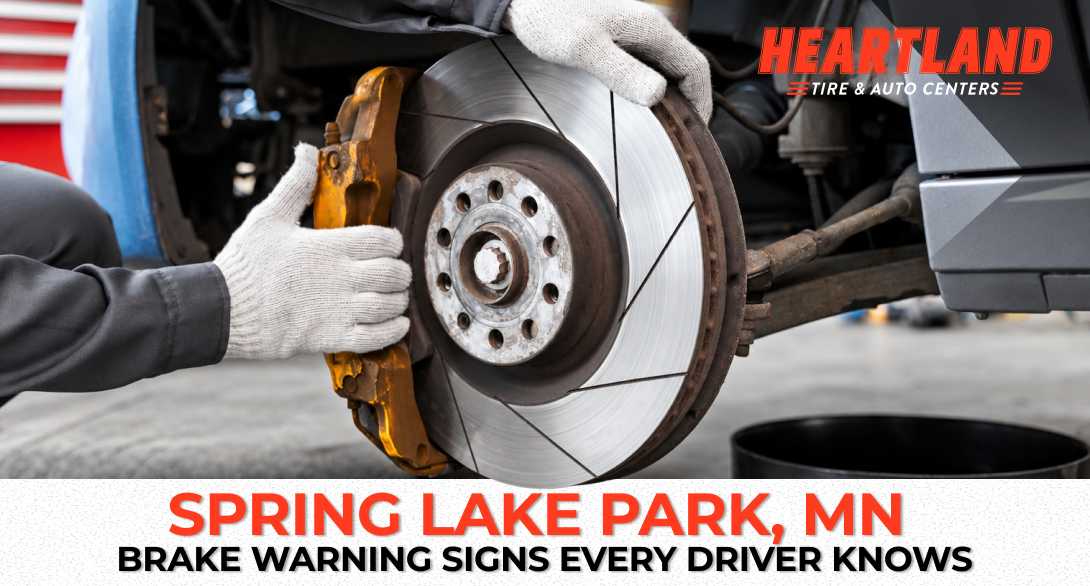
- Inspect your brakes – Pay attention to squealing, grinding, vibration, pulling, or a brake pedal that feels unusually soft. These symptoms can indicate worn brake pads, damaged rotors, sticking calipers, or other problems. Have the braking system inspected before a long trip if you’ve noticed any changes in how your vehicle stops.
- Test the battery and charging system – A vehicle that starts normally can still have a battery nearing the end of its service life. Slow cranking, dimming lights, corrosion around the terminals, or recent jump starts are reasons to have the battery tested. A charging-system test can also determine whether the alternator is keeping the battery properly charged.
- Check engine oil – Verify the oil level on level ground and follow the vehicle manufacturer’s recommended oil-change interval. If your oil change is due before or during the trip, take care of it beforehand. Also look underneath your vehicle for fresh oil spots, which could point to a developing leak.
- Inspect the coolant system – Check the coolant reservoir when the engine is cool and look for leaks around hoses, connections, and beneath the vehicle. Never remove a hot radiator cap. If your temperature gauge has been running higher than usual, have the cooling system inspected before heading out because overheating can quickly turn into a major breakdown.
- Check other important fluids – Brake fluid, transmission fluid, power steering fluid where applicable, and windshield washer fluid all deserve attention. Low fluid levels can point to leaks or maintenance needs, while running out of washer fluid can quickly become a visibility issue after driving through rain or encountering summer insects.
- Inspect belts and hoses – Look for cracked, frayed, glazed, swollen, or damaged components under the hood. Pay attention to unusual squealing or chirping noises when starting the engine or turning on accessories. A professional inspection is worthwhile if you see anything suspicious because a failed belt or cooling-system hose can leave you stranded.
- Test your headlights and exterior lights – Check your headlights, high beams, brake lights, turn signals, reverse lights, and hazard lights. A quick walk around the vehicle can identify a burned-out bulb before you’re driving after dark. Proper lighting also helps other motorists see your vehicle on busy highways and during poor weather.
- Inspect your windshield and wipers – Replace wiper blades that leave streaks, skip across the glass, chatter, or have cracked rubber. Check the windshield for chips or cracks that could worsen during the trip. Keeping washer fluid topped off is also helpful when road spray, dust, or insects reduce visibility.
- Test the air conditioning and climate controls – Turn on the A/C before leaving to make sure it produces consistent airflow and cool air. Strange odors, unusual noises, weak airflow, or inconsistent cooling deserve attention. A comfortable cabin can also help the driver remain focused during several hours behind the wheel.
- Check the suspension and steering – Pay attention to clunking noises, excessive bouncing, uneven tire wear, steering wheel vibration, or a vehicle that pulls to one side. These symptoms can indicate worn suspension, steering, or alignment components. Addressing them before departure can improve handling and prevent additional tire wear.
- Inspect the exhaust system – Listen for unusually loud exhaust sounds and look for visible damage underneath the vehicle. Exhaust problems can affect emissions, fuel economy, and cabin safety. If you notice exhaust fumes inside the vehicle, have the problem inspected immediately rather than continuing your trip.
- Check your vehicle’s warning lights – Don’t ignore a check-engine, battery, oil-pressure, ABS, or temperature warning simply because the vehicle still drives normally. Some problems begin with an intermittent warning before becoming more serious. If a warning light appears before your trip, have the cause diagnosed rather than relying on the vehicle’s current performance.
- Consider your vehicle’s load – Road trips often mean extra passengers, luggage, coolers, camping equipment, or sports gear. Stay within your vehicle’s recommended weight limits and distribute cargo evenly. Excess weight can increase demands on the tires, brakes, suspension, transmission, and engine.
- Prepare for Minnesota weather – Conditions can change quickly, particularly during shoulder seasons and winter. Check the forecast before departure and make sure your tires, wipers, lights, climate controls, and emergency supplies are appropriate for the conditions you’ll encounter. For winter travel, add cold-weather essentials such as warm blankets, gloves, and additional emergency supplies.
- Pack a roadside emergency kit – Carry a flashlight, portable jump starter or jumper cables, phone charger, first-aid supplies, drinking water, snacks, reflective warning devices, work gloves, and basic roadside tools. An air compressor or tire inflator can also be useful for correcting low tire pressure when appropriate. Keep everything together where it’s easy to access.
- Plan fuel and rest stops – Avoid letting the fuel gauge reach empty when traveling through unfamiliar or rural areas. Plan stops ahead of time and give yourself regular opportunities to stretch, hydrate, and check the vehicle. A quick walk around the car during a fuel stop can reveal a low tire or fluid leak before it becomes a bigger issue.
- Schedule a professional inspection when in doubt – If you don’t know when your vehicle’s last inspection occurred, or you’re planning a particularly long trip, schedule a pre-trip vehicle inspection in Brainerd. A technician can check components that are difficult to evaluate at home, including brakes, suspension, steering, battery performance, tire condition, and potential fluid leaks.
A few minutes spent preparing can make a major difference once you’re several hours from home. These steps help you prepare your car for Minnesota road trips, reduce avoidable mechanical problems, and improve your chances of reaching your destination without an unexpected repair stop.
For drivers seeking additional peace of mind, a professional inspection at Heartland Tire & Auto Centers can identify issues that may not be apparent during a driveway check. Taking care of those problems before departure is one of the most practical ways to avoid car breakdowns on long drives, especially when your trip involves heavy loads, towing, extended highway driving, or changing Minnesota weather.
Brainerd MN Road Trip Car Tips From Heartland Tire & Auto Centers
A successful road trip starts with a reliable vehicle. The best Brainerd MN Road trip car tips focus on checking your tires, brakes, battery, fluids, belts, and hoses before leaving.
For local car owners, SUV drivers, and first-time vehicle owners, a quick inspection can help prevent unexpected breakdowns and keep your trip safer and more comfortable.
At Heartland Tire & Auto Centers, our technicians provide thorough inspections and honest recommendations to help you prepare your car for Minnesota road trips. Whether you’re heading to Gull Lake, camping with the family, or traveling across northern Minnesota, a pre-trip vehicle inspection in Brainerd can give you added peace of mind.
Schedule your appointment: https://takeittoheartlandtire.com/request-appointment/