



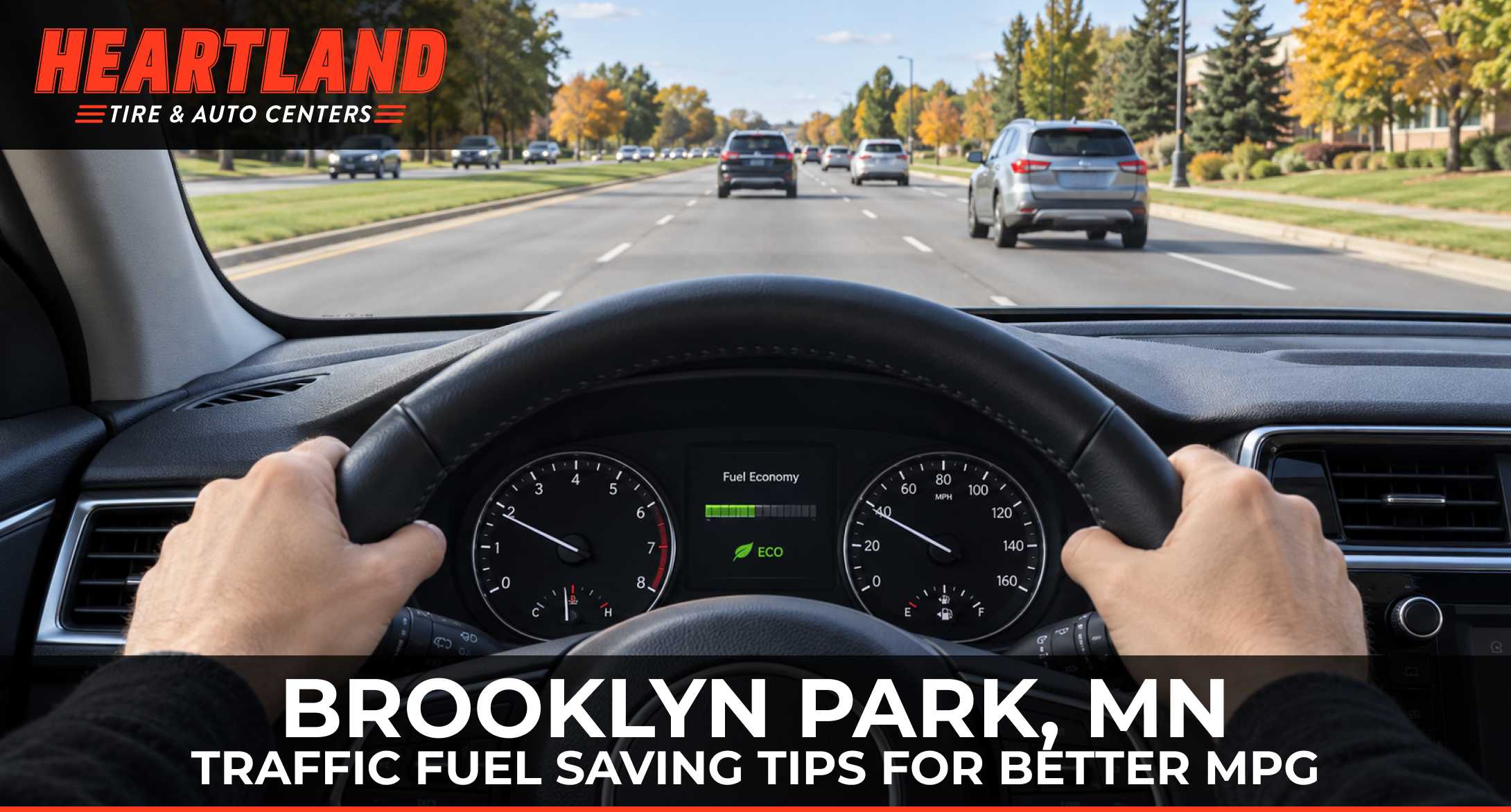
If you spend part of your day navigating busy streets, traffic lights, school zones, shopping areas, and stop-and-go commutes, your driving habits can have a noticeable effect on how often you visit the gas pump. These Brooklyn Park MN Traffic Fuel Saving Tips can help local car owners, SUV drivers, and first-time car owners get more miles from every gallon without making major changes to their vehicle.
Traffic naturally makes it harder to maintain fuel economy. Every unnecessary acceleration, hard brake, long idle, and poorly planned trip can add fuel consumption. The good news is that many of the most effective changes are simple.
For drivers in Brooklyn Park, better fuel economy starts with looking farther ahead, keeping your vehicle properly maintained, and learning how to work with traffic instead of constantly reacting to it.
TL;DR – Brooklyn Park MN Traffic Fuel Saving Tips Quick Takeaways
- Smooth acceleration and gradual braking can help reduce unnecessary fuel consumption in busy traffic.
- Planning trips around congestion and combining errands can reduce wasted miles and idling.
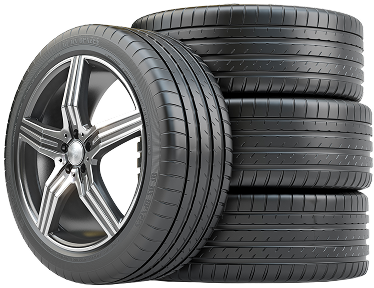
- Proper tire pressure matters because underinflated tires can increase rolling resistance and reduce fuel economy.
- Excessive idling wastes fuel, especially during long waits in drive-throughs or parking areas.
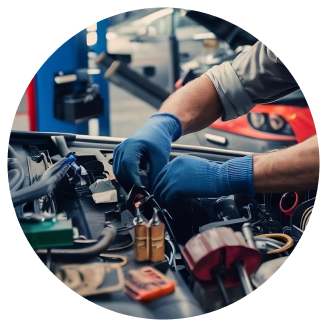
- Regular maintenance can help identify problems that may cause unexpectedly poor gas mileage.
Why Does Stop-and-Go Traffic Use So Much Gas?
Stop-and-go traffic is hard on fuel economy because your vehicle repeatedly converts fuel into motion, only to lose that momentum when you brake.
When traffic moves at a steady pace, your engine can operate more efficiently. In heavy congestion, however, you may accelerate for a few seconds, brake, stop, idle, and repeat the process dozens of times.
The U.S. Department of Energy notes that aggressive driving, including rapid acceleration and braking, can lower fuel economy by 10% to 40% in stop-and-go traffic.
That does not mean you should drive unusually slowly or hold up traffic. It means you should aim for smooth, predictable driving.
Brooklyn Park MN Traffic Fuel Saving Tips for a More Efficient Commute
Getting better fuel economy in busy Brooklyn Park traffic comes down to a combination of smart driving, proper vehicle care, and thoughtful trip planning. Here are practical habits you can use to reduce unnecessary fuel consumption without making your daily drive more complicated.
Real Savings
Heartland Values
Claim Yours and Book
An Appointment
1. Look Farther Ahead in Traffic
One of the best ways to save fuel is to anticipate what is happening several vehicles ahead.
Instead of watching only the car immediately in front of you, scan the traffic pattern farther down the road. If brake lights begin to appear several vehicles ahead, you can gradually release the accelerator rather than continue accelerating.
The same principle applies when approaching a red light.
If the light is already red, continuing to accelerate until the last possible moment only means you will use more fuel before braking. Ease off the accelerator early and allow the vehicle to slow naturally when traffic conditions permit.
Give yourself enough following distance
Following too closely forces you to react to every change in speed of the vehicle ahead.
A little extra space gives you more time to:
- Ease off the accelerator
- Coast toward a slowing traffic pattern
- Reduce hard braking
- Maintain smoother speed changes
- React safely to unexpected stops
Fuel savings should always come after safety. Never increase following distance or change your speed in a way that creates a hazard for other drivers.
2. Accelerate Smoothly Instead of Racing Away From Lights
A green light can be tempting, especially when you are running late.
However, aggressive acceleration uses considerably more fuel than controlled acceleration. AAA and federal energy resources consistently recommend avoiding rapid acceleration and hard braking to improve fuel economy.
Try to build speed smoothly while staying within the posted limit.
This is especially helpful for SUV drivers. Larger vehicles generally require more energy to accelerate, so repeated bursts of acceleration can noticeably increase fuel consumption.
For first-time car owners, a simple rule is to accelerate enough to keep up with traffic, but avoid treating every green light like a starting line.
3. Avoid Unnecessary Idling
Idling is easy to overlook because your vehicle is not moving.
Yet the engine is still consuming fuel.
AAA estimates that an idling engine can consume roughly one-quarter to one-half gallon of fuel per hour, depending on the vehicle and conditions.
You do not need to obsess over every few seconds of waiting. Instead, focus on situations where the vehicle will remain stationary for a meaningful period.
Follow your vehicle manufacturer’s guidance and local safety considerations. Never turn off the engine if doing so could compromise your ability to respond safely.
4. Plan Your Brooklyn Park Trips Before You Leave
Some fuel-saving opportunities happen before you even start the engine.
Trip planning can help you avoid unnecessary backtracking, reduce extra miles, and combine several errands into one outing.
Suppose you need to pick up groceries, stop at a pharmacy, return an item, and visit another store. Making four separate trips can create more cold starts, more traffic exposure, and more miles.
Instead, organize the stops into one efficient route.
Route planning is especially useful when traffic is predictable. If your schedule is flexible, leaving a little earlier or later can sometimes reduce the amount of time spent crawling through congestion.
5. Keep a Comfortable Gap Instead of Chasing Every Opening
Traffic often creates a strange cycle.
One driver speeds up to close a gap. The next driver brakes. Another driver accelerates again. Soon everyone is repeatedly changing speed.
You can reduce your contribution to that cycle by maintaining a reasonable following distance and making gradual adjustments.
This is one of the easiest ways to achieve better gas mileage in city traffic.
You may also find that smoother driving feels less stressful. Instead of constantly reacting to every small movement around you, you have more time to anticipate what is coming.
That is better for fuel economy and can make the commute more comfortable.
6. Check Your Tire Pressure Regularly
Your tires are the only parts of your vehicle that should be touching the road, so their condition directly affects how efficiently your vehicle moves.
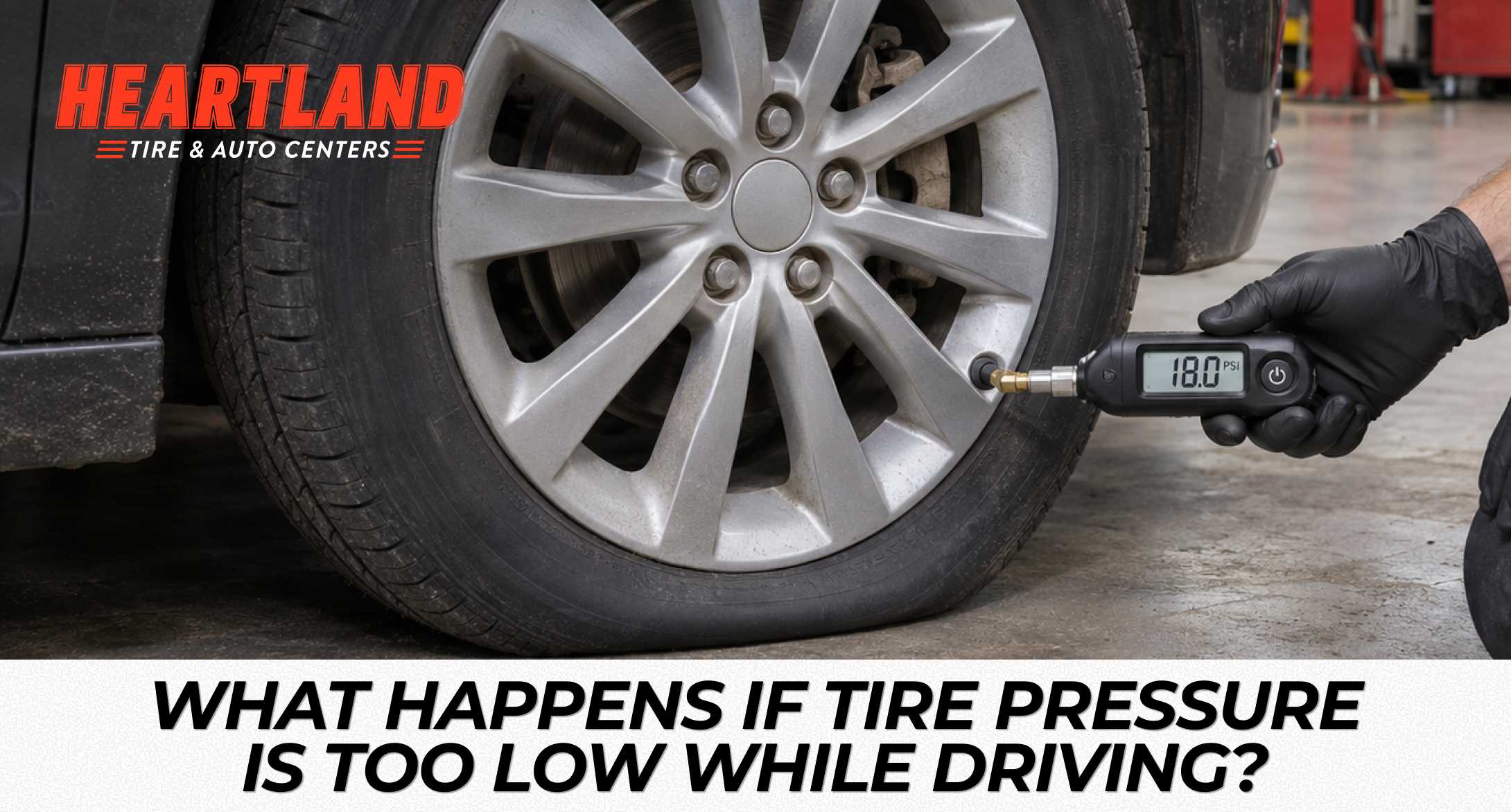
Underinflated tires can increase rolling resistance. Your engine then has to work harder to move the vehicle.
Check your tire pressure according to the vehicle manufacturer’s recommended specification. The correct pressure is usually listed on the driver’s door-jamb label or in the owner’s manual.
Do not automatically use the maximum pressure printed on the tire sidewall as your target.
Why does tire maintenance matter for fuel economy?
Tire maintenance for fuel economy is about more than simply adding air.
It also includes:
- Checking pressure regularly
- Watching for uneven tread wear
- Maintaining proper wheel alignment
- Rotating tires according to the recommended schedule
- Inspecting tires for damage
- Addressing repeated pressure loss
AAA also recommends maintaining proper tire inflation, as underinflation can reduce fuel economy and increase tire-related safety risks.
If your TPMS warning light keeps returning, have the tire and sensor system checked rather than repeatedly adding air without finding the cause.
7. Pay Attention to Wheel Alignment
A vehicle with an alignment problem may not feel dramatically different at first.
You might notice the steering wheel is slightly off-center, the vehicle pulls to one side, or the tires begin wearing unevenly.
Those symptoms deserve attention.
Correct alignment helps the tires track properly and can reduce unnecessary resistance and uneven tire wear. Heartland Tire & Auto Centers provides wheel alignment service in Brooklyn Park, including inspections intended to address pulling, vibration, steering concerns, and related issues.
If your vehicle has recently hit a pothole or curb and your fuel economy seems worse at the same time you notice changes in steering or tire wear, an inspection is worthwhile.
8. Keep Your Vehicle Properly Maintained
Good driving habits cannot completely overcome a vehicle that needs maintenance.
A clogged filter, a malfunctioning sensor, a dragging brake, an underinflated tire, an alignment problem, or an illuminated check engine light can affect how your vehicle operates.
Regular maintenance helps keep these issues from becoming bigger problems.
For example, a check engine light can sometimes indicate a condition affecting fuel mixture, emissions, or engine operation. AAA recommends having the vehicle checked when the light comes on because the underlying problem may reduce fuel economy.
This is where fuel economy becomes more than a driving-habit issue.
If your MPG suddenly drops without a change in your commute or driving style, consider the possibility of a mechanical problem.
9. Remove Unnecessary Weight From Your Vehicle
Take a quick look inside your trunk, cargo area, and back seat.
If you have been carrying heavy equipment, boxes, tools, sports gear, or other items for weeks without needing them, remove what you do not need.
Extra weight requires additional energy to move.
The effect varies by vehicle, so you should not expect a dramatic increase in MPG from removing a few items. However, reducing unnecessary cargo is an easy efficiency improvement that costs nothing.
Also pay attention to roof-mounted carriers and racks. They can increase aerodynamic drag, particularly at higher speeds. AAA recommends removing racks and carriers when they are no longer needed.
10. Use Air Conditioning Wisely
Minnesota summers can make air conditioning essential for comfort.
You do not need to avoid A/C to save every possible drop of fuel. Instead, use it intelligently.
When your vehicle has been sitting in the sun, let some of the trapped heat dissipate before settling into a long drive. Parking in the shade when possible can also reduce the initial cooling demand.
Keep in mind that comfort and safety come first. If the temperature is uncomfortable or you need clear windows, use your climate system appropriately.
11. Avoid Unnecessary Short Trips
Short trips can be surprisingly inefficient.
When an engine is cold, it has not yet reached its normal operating temperature. Several separate short trips can therefore involve repeated cold starts and inefficient operation.
If you have several errands to complete, consider combining them when practical.
12. Do Not Speed Up Just To Make Up Lost Time
Running late can quickly turn a normal commute into an inefficient one. You may accelerate harder, brake later, change lanes repeatedly, and increase your speed whenever traffic opens.
Those habits usually provide less time savings than drivers expect while increasing fuel consumption and stress. Instead, accept that congestion may add time to the trip.
Maintain a reasonable speed, follow posted limits, and keep your driving smooth. The goal is to arrive safely while using the least fuel practical for the conditions.
These habits work best when used together. From smoother acceleration to regular tire maintenance for fuel economy, small changes can add up over time and help Brooklyn Park drivers get more from every tank.
Brooklyn Park MN Traffic Fuel Saving Tips: Make Every Mile Count
The best Brooklyn Park MN Traffic Fuel Saving Tips are simple: accelerate smoothly, avoid unnecessary idling, maintain proper tire pressure, plan errands, and keep your vehicle well maintained.
If your MPG remains low despite better driving habits, Heartland Tire & Auto Centers can inspect your tires, alignment, brakes, and other systems that may affect fuel economy.
Ready to improve your vehicle’s efficiency? Schedule an appointment with the Heartland Tire & Auto Centers team in Brooklyn Park.