


Keeping them properly inflated helps your car handle better, brake more safely, and maintain predictable performance in changing Minnesota conditions.
For drivers searching for a Ramsey MN Tire Pressure Guide, understanding the basics of PSI maintenance can prevent many common problems. Whether you drive a sedan, SUV, pickup truck, or family vehicle, the right tire pressure supports your safety every time you get behind the wheel.
Many drivers only check their tires after seeing a TPMS warning light. However, tire pressure problems often develop gradually before a warning appears. A tire can lose air naturally over time, and seasonal temperature changes can create noticeable PSI differences.
At Heartland Tire & Auto Centers, we often remind local drivers that a few minutes spent checking tire pressure can prevent expensive tire damage and unexpected roadside issues.
TL;DR – Ramsey MN Tire Pressure Guide Key Takeaways
- The Ramsey MN Tire Pressure Guide helps local drivers maintain safer handling, longer tire life, and better fuel efficiency.
- Minnesota weather changes can affect tire PSI, with pressure shifting about 1 PSI for every 10°F temperature change.
- Check tire pressure when tires are cold for the most accurate reading.
- Your vehicle’s recommended PSI is found on the driver’s door sticker, not the tire sidewall.
- Regular tire inspections by professionals like Heartland Tire & Auto Centers can help catch leaks, uneven wear, and other safety issues early.
Ramsey MN Tire Pressure Guide for August Driving Conditions
August in Ramsey, Minnesota brings warm temperatures, road trips, changing weather patterns, and increased highway driving. These conditions can affect your tire pressure in ways many drivers overlook.
During summer heat, the air inside your tires expands. This can cause PSI readings to increase, especially after long drives or when vehicles sit in direct sunlight. However, drivers should not release air simply because they see a higher reading after driving. Tires should be checked when cold for the most accurate measurement.
How Does August Weather Affect Tire Pressure?
Warm Minnesota summer temperatures can influence your tires throughout the day. A tire pressure reading in the morning may look different from one taken after an afternoon commute.
Here are important factors Ramsey drivers should understand:
- Temperature changes – Tire pressure rises as air warms and drops as temperatures cool. A common guideline is about 1 PSI change for every 10°F temperature change.
- Hot pavement conditions – Roads can become significantly warmer than the surrounding air, transferring heat to your tires during extended driving.
- Long-distance travel – Highway trips create additional tire heat through friction and sidewall movement.
- Morning versus afternoon readings – A tire checked early in the morning may show a lower PSI than the same tire checked after several hours of driving.
- Seasonal transitions – August may still feel like peak summer, but cooler evenings can begin to create noticeable PSI changes.
Understanding these changes helps drivers avoid unnecessary adjustments and keeps tires operating closer to manufacturer recommendations.
What Tire Pressure Should My Vehicle Have in Ramsey MN?
One of the most common questions we hear from local drivers is, “What PSI should my tires be?”
The answer depends on your specific vehicle. There is no single tire pressure number that works for every car, SUV, or truck.
Your correct tire pressure can usually be found in:
- The driver-side door jamb sticker
- Your vehicle owner’s manual
- Manufacturer service information
The number printed on the tire sidewall is usually the maximum pressure the tire can safely hold. It is not the recommended operating pressure for everyday use.
Typical ranges include:
- Sedans and compact cars – Often around 30 to 35 PSI
- Crossovers and small SUVs – Commonly around 32 to 36 PSI
- Trucks and larger SUVs – Often higher depending on vehicle weight and load requirements
These are general examples only. Always follow your vehicle manufacturer’s recommendation.
Signs Your Tires May Have Incorrect Pressure
Incorrect tire pressure can affect comfort, safety, and tire lifespan. Many drivers notice warning signs before serious problems occur.
Watch for these issues:
- Uneven tread wear – Low pressure often causes extra wear along the tire’s outer edges.
- Poor fuel economy – Underinflated tires increase rolling resistance, making your engine work harder.
- Reduced steering response – Tires with incorrect pressure may feel less stable during turns.
- TPMS warning light – A dashboard warning should always be checked rather than ignored.
- Rough or unusual ride quality – Pressure problems can change how your vehicle feels on the road.
If you notice these symptoms around Ramsey, scheduling a tire inspection with Heartland Tire & Auto Centers can help identify the cause before it becomes a larger repair.
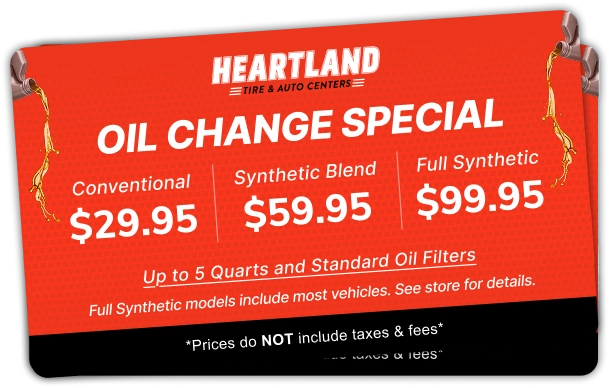
Real Savings
Heartland Values
Claim Yours and Book
An Appointment
How to Check Tire Pressure Correctly in Ramsey MN
Checking tire pressure is one of the easiest maintenance tasks a vehicle owner can learn. However, many drivers check their tires incorrectly and end up making adjustments based on inaccurate readings.
For drivers following the Ramsey MN tire pressure guide, the goal is not simply adding air when a tire looks low. Proper tire care requires checking the PSI at the right time and comparing it with your vehicle manufacturer’s recommendation.
Heartland Tire & Auto Centers recommends making tire pressure checks part of your monthly vehicle routine, especially before road trips or seasonal weather changes.
Step-by-Step Tire Pressure Check
You do not need advanced tools to monitor your tire pressure. A reliable tire gauge and a few minutes are enough to help maintain safer driving conditions.
Follow these steps:
- Check tires when they are cold – Measure pressure before driving or after the vehicle has been parked for several hours. Driving creates heat that temporarily increases PSI readings.
- Find the recommended PSI – Look for the manufacturer’s recommended tire pressure on the driver-side door sticker or in your owner’s manual. Avoid using the maximum PSI printed on the tire sidewall.
- Remove the valve stem cap – Unscrew the small cap from the tire valve and keep it somewhere safe while checking.
- Use a quality tire gauge – Press the gauge firmly onto the valve stem until you get a steady reading. Digital gauges can make readings easier to see.
- Adjust the pressure if needed – Add air if PSI is low or release a small amount if the tire pressure is above the recommended level.
- Replace valve caps securely – Valve caps help keep dirt and moisture away from the valve core, reducing the chance of leaks.
A consistent tire pressure routine helps Ramsey drivers avoid many common tire problems. It also gives you an opportunity to notice nails, cracks, bulges, or other damage before they become emergencies.
Common Tire Pressure Mistakes Ramsey Drivers Should Avoid
Many tire problems happen because drivers misunderstand basic tire pressure information. A quick adjustment based on guesswork can sometimes create new issues.
The following mistakes are especially common among local car owners:
- Using the tire sidewall PSI as the target – The number on the tire shows the maximum pressure rating, not the ideal pressure for your vehicle.
- Checking pressure after driving – Warm tires naturally show higher PSI readings, which can lead drivers to remove too much air.
- Ignoring small pressure losses – Tires can slowly lose air due to temperature changes, normal leakage, or minor damage.
- Only checking one tire – Each tire should be inspected because pressure loss does not always happen evenly.
- Forgetting the spare tire – A spare tire with low pressure may not be ready when you need it most.
- Ignoring the TPMS light – The tire pressure monitoring system is designed to warn you about potential issues, but it does not replace regular inspections.
Avoiding these mistakes can help extend tire life and improve confidence behind the wheel. A professional inspection can also identify problems that are difficult to see during a quick driveway check.
Summer Tire Pressure Tips for Ramsey MN SUV Drivers
SUV owners often assume their larger vehicles are less affected by tire pressure changes. In reality, SUVs may require extra attention because of their size, weight, and driving demands.
For families and SUV drivers in Ramsey, proper inflation supports handling during daily commuting, highway travel, and summer road trips.
Important SUV Tire Care Practices
- Follow the vehicle-specific PSI recommendation – Larger tires do not automatically require maximum inflation. Your SUV manufacturer determines the correct pressure based on suspension, weight, and handling characteristics.
- Check pressure before vacations – Long highway trips increase tire heat and stress. Checking PSI before leaving can prevent unexpected problems.
- Inspect tires carrying heavy loads – Extra passengers, luggage, or towing equipment can affect how tires perform.
- Rotate tires regularly – Tire rotation helps distribute wear evenly, especially on heavier SUVs.
- Monitor tread depth – Proper inflation works best when tires also have enough tread for wet Minnesota roads.
SUV drivers often put more miles on their vehicles because they are used for commuting, family transportation, and recreation. Maintaining proper tire pressure helps protect that investment.
Ramsey MN Tire Pressure Guide for First-Time Car Owners
New vehicle owners often focus on oil changes and fuel economy while overlooking tire maintenance. Learning the basics of tire pressure early can help prevent avoidable repairs.
A simple routine can make tire care much easier.
Beginner Tire Maintenance Checklist
- Check tire pressure once a month – Monthly checks help catch gradual air loss before it affects driving performance.
- Inspect tires visually – Look for cracks, uneven wear, objects stuck in the tread, or visible damage.
- Learn your vehicle’s recommended PSI – Knowing this number makes it easier to respond when pressure changes.
- Keep a tire gauge in your vehicle – A small gauge is useful during road trips or seasonal checks.
- Schedule professional inspections – Experienced technicians can identify alignment issues, leaks, and tire wear patterns.
Developing these habits early helps first-time car owners feel more confident maintaining their vehicles. Good tire care also reduces the risk of being caught off guard by a preventable roadside problem.
How Often Should You Check Tire Pressure in Minnesota?
A good rule for most drivers is to check tire pressure at least once every month and before longer trips. Minnesota drivers should pay extra attention, as seasonal temperature swings can cause noticeable PSI changes.
Tire pressure should also be checked when:
- Temperatures change significantly
- A TPMS warning light appears
- The vehicle has been sitting unused
- You notice handling changes
- You prepare for a road trip
- Tires have recently been repaired or replaced
August is a great time to check tire condition before the transition into cooler fall temperatures. As temperatures begin dropping later in the year, tire pressure may decrease and require adjustment.
Expert Tire Care Tips From Heartland Tire & Auto Centers
Professional tire maintenance involves more than adding air. Technicians assess the overall condition of your tires, including wear patterns, alignment issues, and potential safety concerns.
At Heartland Tire & Auto Centers, our team helps drivers throughout Minnesota maintain dependable vehicles through inspections and service recommendations tailored to real driving conditions.
Experienced technicians recommend:
- Inspecting tires before seasonal changes – Weather shifts can expose existing tire problems.
- Addressing slow leaks quickly – A small leak can become a bigger safety concern if ignored.
- Checking alignment when wear looks uneven – Uneven tread patterns may indicate alignment or suspension issues.
- Rotating tires according to manufacturer recommendations – Rotation promotes more even wear and longer service life.
- Replacing damaged tires when necessary – Repairs are not always possible if structural damage exists.
A professional tire inspection provides peace of mind because trained technicians can identify concerns that may not be obvious to the average driver.
Ramsey MN Tire Pressure Guide With Heartland Tire & Auto Centers
Following the Ramsey MN tire pressure guide helps local drivers protect their vehicles, improve safety, and get more value from their tires. Proper PSI checks are simple, but they play an important role in everyday driving performance.
Minnesota weather can create changing tire conditions throughout the year. Whether you drive a commuter car, family SUV, or truck, maintaining proper inflation helps your vehicle handle the road with greater confidence.
Heartland Tire & Auto Centers is committed to helping Ramsey and the surrounding Minnesota communities keep their vehicles dependable. Our experienced team can inspect your tires, answer questions, and recommend the right maintenance based on your vehicle’s needs.
Ready to make sure your tires are properly maintained? Contact Heartland Tire & Auto Centers to schedule a professional tire inspection or service appointment. Visit the team online at: https://takeittoheartlandtire.com/request-appointment/